Successful branding is often misunderstood as simply having a recognizable logo, a popular product, or a large customer base. While those things matter, some of the strongest brands in the world have achieved something deeper. They have created identities that people emotionally connect with.
A successful brand is not just selling a product. It is telling a story people want to be part of.
The strongest brands understand that relationships matter. Building connections that are interconnected is a major part of creating an identity that people continue to engage with over time.
For this article, successful branding will be measured by three key factors:
- The ability to tell stories emotionally
- The ability to maintain a consistent identity without constantly reinventing the company
- A strong digital creation track record that continues building the brand
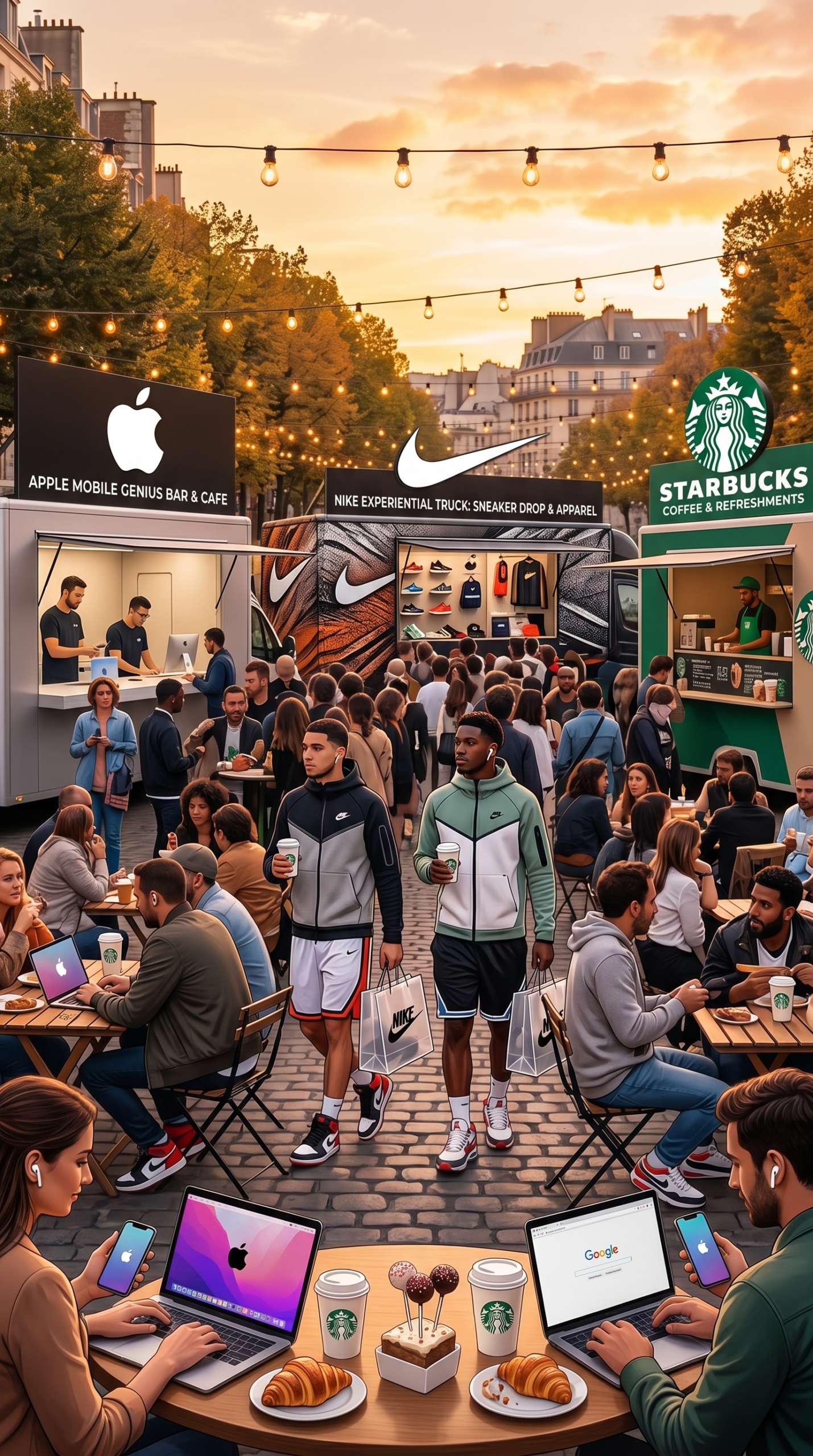
Three companies that demonstrate these principles are Nike, Apple, and Starbucks. Each company operates in different industries, but their branding strategies show why consistency, emotion, and digital presence create long-term success.
Nike: Selling Inspiration Beyond Athletic Products
Nike is one of the strongest examples of emotional branding because the company has built its identity around something bigger than shoes and clothing.
Nike’s story has always focused on human potential. The company does not simply market athletic products; it markets the idea of overcoming challenges, pushing limits, and becoming better.
The famous “Just Do It” message is powerful because it connects with people beyond professional athletes. Someone training for a marathon, someone starting a fitness journey, or someone trying to improve their life can all relate to the same emotional message.
Nike’s storytelling works because the customer becomes part of the story.
Instead of saying:
“Our shoes are made with advanced technology.”
Nike often communicates:
“You can accomplish something difficult, and we want to be part of that journey.”
That emotional connection has allowed Nike to maintain a consistent identity for decades. While products have changed, the core message has stayed the same: ambition, performance, and personal achievement.
This is important because successful brands do not constantly change who they are. They evolve, but they protect the foundation that made people connect with them originally.
Nike has also developed a strong digital creation track record. The company has adapted extremely well to online platforms through social media campaigns, athlete storytelling, digital communities, and creative advertisements.
Nike understands that modern branding is not just about broadcasting a message. It is about creating conversations.
Through digital campaigns, Nike continues showcasing stories from athletes, creators, and everyday people. This keeps the brand feeling alive while still staying connected to its original identity.
Apple: Creating a Story Around Innovation and Identity
Apple’s branding success comes from making technology feel personal.
Many companies sell computers, phones, and software. Apple built a brand around creativity, simplicity, and challenging the normal way of doing things.
The company’s storytelling often focuses less on technical specifications and more on what people can create with the technology.
A computer is not just a computer.
It becomes a tool for artists, entrepreneurs, musicians, designers, students, and innovators.
Apple’s emotional branding has always been connected to identity. Customers often do not just purchase an Apple product because of features. They purchase because the brand represents a certain mindset.
The company has consistently positioned itself as a brand for people who think differently.
One of Apple’s greatest strengths is how little it has needed to shift its identity over time. Technology changes quickly, but Apple’s core values remain recognizable:
- Simple design
- Creativity
- Innovation
- User-focused experiences
The company has expanded from computers into phones, watches, services, and entertainment, but the overall story remains connected.
This consistency creates trust. Customers know what type of experience they are getting.
Apple’s digital creation track record is also a major reason behind its branding success. The company has mastered creating anticipation, product launches, online experiences, and visual storytelling.
Product announcements became cultural events because Apple understood how to build a story around a product before people even owned it.
The company does not just release technology. It creates moments.
Starbucks: Turning a Beverage Into an Experience
Starbucks shows that successful branding does not always require selling something completely unique. Coffee existed long before Starbucks became a global company.
The difference was the experience Starbucks created around it.
Starbucks’ branding focuses on community, comfort, and personal connection.
A customer walking into Starbucks is not only buying coffee. They are entering a familiar environment with a recognizable atmosphere.
The company built a story around being a “third place” between home and work. That idea helped Starbucks become more than a coffee shop.
The emotional connection comes from routine and belonging.
Someone grabbing their morning coffee may associate Starbucks with productivity, relaxation, conversation, or personal time.
That emotional association strengthens customer loyalty.
Starbucks has also maintained a consistent identity while adapting over time. The company has expanded its menu, introduced new technology, and adjusted to customer preferences, but the core idea remains:
Create a personalized experience around coffee.
The brand did not need to completely change itself to stay relevant.
Digitally, Starbucks has been one of the strongest companies in creating customer relationships. The Starbucks mobile app, rewards program, social media presence, and personalized marketing have helped the company stay connected with customers.
Instead of only using digital platforms to advertise, Starbucks uses them to create ongoing engagement.
The digital experience becomes part of the brand itself.
The Common Lesson Behind These Successful Brands
Nike, Apple, and Starbucks operate in different industries, but their branding success follows the same pattern.
They understand that people remember emotions more than products.
Nike sells athletic gear, but people remember motivation.
Apple sells technology, but people remember creativity.
Starbucks sells coffee, but people remember experiences.
Each company has built a recognizable identity that does not require constant reinvention. They continue growing because their foundation is strong.
This idea connects with the importance of changing with intention, where growth comes from improving the brand while staying connected to the original purpose.
They also understand the importance of digital creation. Modern branding is no longer limited to advertisements or physical locations. Brands must create content, communities, and experiences that keep people engaged.
The biggest lesson is that successful branding comes from building meaning.
A logo can create recognition, but a story creates connection.
Companies that understand how to communicate emotionally, maintain a consistent identity, and continue creating digitally have a much stronger chance of building something that lasts.
Nike, Apple, and Starbucks prove that the strongest brands are not only recognized.
They are remembered.