Hip-hop culture evolved from 1970s Bronx block parties into a global phenomenon, driven by iconic tracks that mirrored the social and political realities of their times.
Its defining songs did more than entertain—they documented neighborhoods, challenged authority, established fashion trends, introduced new production techniques, and gave underrepresented communities a stronger public voice.
Hip-hop includes DJing, MCing, breakdancing, graffiti, fashion, language, entrepreneurship, and community expression.
However, recorded songs became the vehicles capable of transporting those cultural elements beyond the neighborhoods where they originated.
By following hip-hop’s most influential records, we can hear the culture changing in real time.
The Bronx Block Parties That Started a Movement
Hip-hop’s widely recognized origin story begins in the Bronx during the 1970s.
At neighborhood parties, DJs extended the instrumental breaks in funk and soul records so dancers could remain active longer.
MCs initially supported the DJs by energizing the crowd with introductions, chants, rhymes, and boasts.
The back-to-school party organized by Cindy Campbell and DJ Kool Herc at 1520 Sedgwick Avenue on August 11, 1973, is commonly treated as a foundational moment.
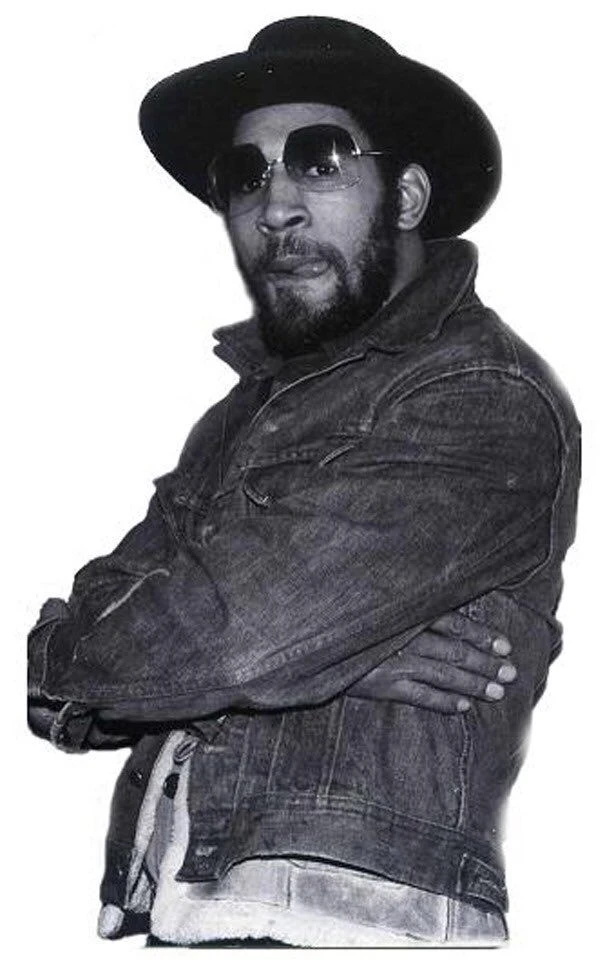
The Smithsonian’s history of the Bronx block party explains how that local gathering helped establish a movement that eventually transformed popular culture.
Hip-hop was still primarily a live experience at this stage.
Its importance came from the community surrounding the music rather than record sales or radio exposure.
The DJ controlled the sound, the dancers gave it movement, graffiti supplied a visual identity, and the MC brought personality to the microphone.
These origins also demonstrate why international influences have always belonged to hip-hop’s story.
Jamaican sound-system culture, African American musical traditions, Latin rhythms, and the multicultural character of New York all contributed to its development.
EQ Heat explores that connection further in its discussion of the Jamaican influences that contributed to the origin of hip-hop.
“Rapper’s Delight” Introduced Hip-Hop to a Mass Audience
The Sugarhill Gang’s “Rapper’s Delight,” released in 1979, helped move rap from live neighborhood performances onto commercial records.
It was not the first expression of hip-hop culture, but it became many listeners’ first encounter with recorded rap.
The song presented hip-hop as energetic, social, humorous, and accessible.
Its lengthy verses resembled the routines MCs performed at parties, while its use of the groove associated with Chic’s “Good Times” demonstrated how existing records could be reinterpreted through hip-hop.
Most importantly, “Rapper’s Delight” proved that rap could travel.
A performance style developed within local New York communities could now reach radio stations, record stores, dance floors, and listeners in other countries.
Its historical importance is reflected by its inclusion in the Library of Congress National Recording Registry.
Hip-hop had entered the recording industry.
The next major step was showing that it could report on serious social conditions.
“The Message” Turned Rap Into Social Documentation
Grandmaster Flash and the Furious Five’s “The Message” changed expectations surrounding what a rap song could accomplish. Released in 1982, the track focused on poverty, stress, crime, failing public systems, and the psychological pressure of urban life.
Instead of using the microphone primarily to celebrate a party, the record placed difficult social conditions at the center of the experience. It helped establish the MC as an observer, storyteller, and cultural commentator.
The song’s descriptions gave listeners outside struggling communities access to realities that mainstream entertainment frequently ignored.
For listeners who recognized those conditions firsthand, the record offered representation.
Their environment and frustrations were no longer being treated as invisible.
The National Museum of African American History and Culture describes early Bronx hip-hop as an expression of anger, aspiration, hope, and despair.
“The Message” captured those contradictions and provided a foundation for conscious rap, political hip-hop, and the detailed street narratives that followed.
 Click here to view “The Message”. What parts do you think represent reporting, storytelling, and social criticism?
Run-D.M.C. Helped Turn Hip-Hop Into a Lifestyle
Run-D.M.C. represented another stage in the culture’s development.
Songs such as “Sucker M.C.’s,” “It’s Like That,” and “Walk This Way” gave hip-hop a harder, more stripped-down sound while bringing the artists’ streetwear identity into the mainstream.
Their collaboration with Aerosmith on “Walk This Way” helped hip-hop reach rock audiences and receive greater exposure through MTV.
The record demonstrated that rap could cross genre boundaries without completely abandoning its own identity.
Run-D.M.C.’s influence also extended beyond music.
Adidas sneakers, tracksuits, hats, and gold chains became connected to the group’s public image.
Artists were no longer simply recording songs; they were influencing how audiences dressed, spoke, danced, and presented themselves.
That relationship between music and appearance continues throughout the impact of hip-hop fashion on contemporary style.
Modern streetwear, sneaker culture, luxury collaborations, and artist-led clothing brands all reflect the groundwork established during this era.
“Fight the Power” Made Cultural Resistance Unavoidable
Public Enemy’s “Fight the Power” became one of hip-hop’s most recognizable political statements. Created for Spike Lee’s 1989 film Do the Right Thing, the song combined dense production, historical references, urgency, and direct criticism of cultural institutions.
It represented a period when politically conscious hip-hop demanded more space within mainstream discussion.
Public Enemy treated rap as a platform for education, organization, and resistance—not simply personal expression.
The combination of the song and film also demonstrated hip-hop’s growing multimedia power.
Music, cinema, fashion, visual imagery, and political debate could reinforce one another to produce a larger cultural moment.
The Library of Congress describes Public Enemy’s Fear of a Black Planet as joining an explicitly political message with hip-hop music.
Its discussion of the recording is available through the National Recording Registry’s expanded essays.
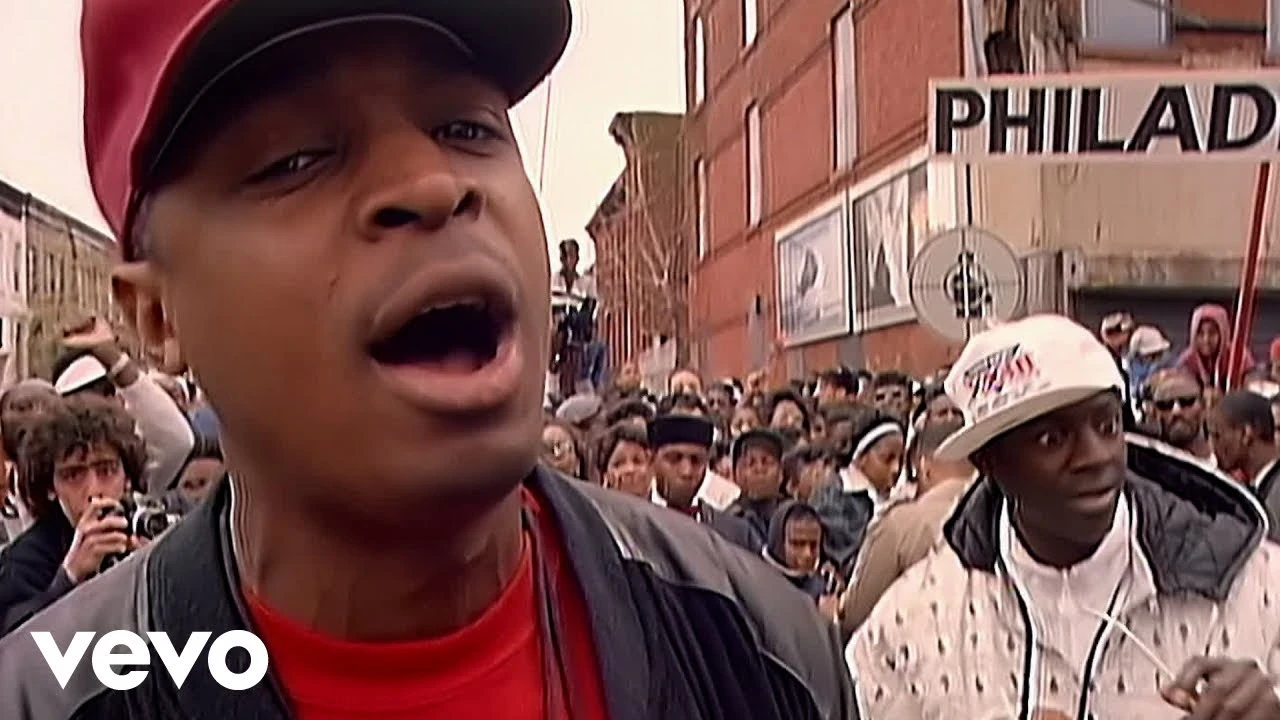 Public Enemy’s Fight The Power video. Don’t you think this captures what the people can do with the right leadership in resistance?
“Straight Outta Compton” Shifted Attention Toward the West Coast
While Public Enemy represented organized political confrontation, N.W.A.’s “Straight Outta Compton” delivered an aggressive report from another environment.
The song and album redirected national attention toward Compton and helped establish gangsta rap as a major commercial and cultural force.
The group’s approach was confrontational, controversial, and deeply connected to its location.
Their music addressed policing, street violence, neighborhood identity, frustration, and survival from a West Coast perspective.
Whether listeners viewed the music as reporting, provocation, entertainment, or some combination of the three, it became difficult to ignore.
Hip-hop was proving that every city could develop its own voice, slang, production style, fashion, and interpretation of Black life.
The album’s preservation in the National Recording Registry confirms its lasting cultural significance.
“Juicy” Made Personal Success Part of Hip-Hop’s Story
The Notorious B.I.G.’s “Juicy” transformed a personal rise from hardship into a widely relatable success narrative.
The song looked backward at struggle while celebrating how dramatically life could change through music.
That combination became central to hip-hop culture.
Artists could describe poverty and danger while also presenting wealth, recognition, independence, and status as evidence of survival.
Rap began documenting not only what communities endured, but also what individuals hoped to achieve.
During the 1990s, songs by Tupac Shakur, Nas, Lauryn Hill, OutKast, Jay-Z, Missy Elliott, and other influential performers expanded the culture’s emotional and regional range.
Hip-hop could be vulnerable, philosophical, celebratory, entrepreneurial, spiritual, romantic, or confrontational.
The era also elevated individual storytelling.
An artist’s neighborhood, family history, setbacks, ambitions, and worldview could become the foundation of an entire song.
That same principle remains important for anyone learning how to develop a theme and provide meaningful details when writing lyrics.
“Doo Wop (That Thing)” Expanded the Cultural Conversation
Lauryn Hill’s “Doo Wop (That Thing)” showed how hip-hop could combine rapping, singing, social observation, and personal advice within one commercially successful record.
The song addressed self-respect, relationships, materialism, and unhealthy expectations placed on both women and men.
Its perspective helped broaden mainstream ideas about whose experiences could lead hip-hop conversations.
Hill’s success also demonstrated the creative possibilities available when rap, R&B, soul, and personal reflection were allowed to exist together.
The culture did not need to choose between lyrical skill, melody, vulnerability, and commercial appeal.
Songs like this helped create more room for future artists to resist narrow categories and explore complex identities.
“Alright” Became a Modern Protest Anthem
Kendrick Lamar’s “Alright” connected hip-hop’s political history to a new generation.
Released during a period of growing public attention toward police violence and racial injustice, the song balanced difficult realities with resilience and collective hope.
Its chorus was adopted during demonstrations connected to the Black Lives Matter movement, showing that a song could gain meaning beyond its original album.
Listeners turned the record into a communal statement.
“Alright” carries forward the social-documentary tradition associated with “The Message” and the resistance of “Fight the Power,” but it expresses those ideas through the concerns, production techniques, and language of a different era.
This is one reason iconic hip-hop songs remain culturally important. A new record does not erase the past.
It adds another chapter to an ongoing conversation.
“This Is America” Showed the Power of the Viral Visual Era
Childish Gambino’s “This Is America” demonstrated how dramatically the presentation of hip-hop had changed.
The song was important, but its video became essential to the public conversation.
The visuals encouraged repeated viewing and debate through references to gun violence, racism, distraction, entertainment, and America’s treatment of Black bodies.
Social media allowed viewers to analyze individual scenes, publish theories, and circulate the work internationally within hours.
Hip-hop had moved from neighborhood parties and physical records into an era where a song, video, performance, meme, and public debate could spread simultaneously.
The culture was no longer simply reaching a global audience.
That global audience was actively interpreting, remixing, criticizing, and redistributing it.
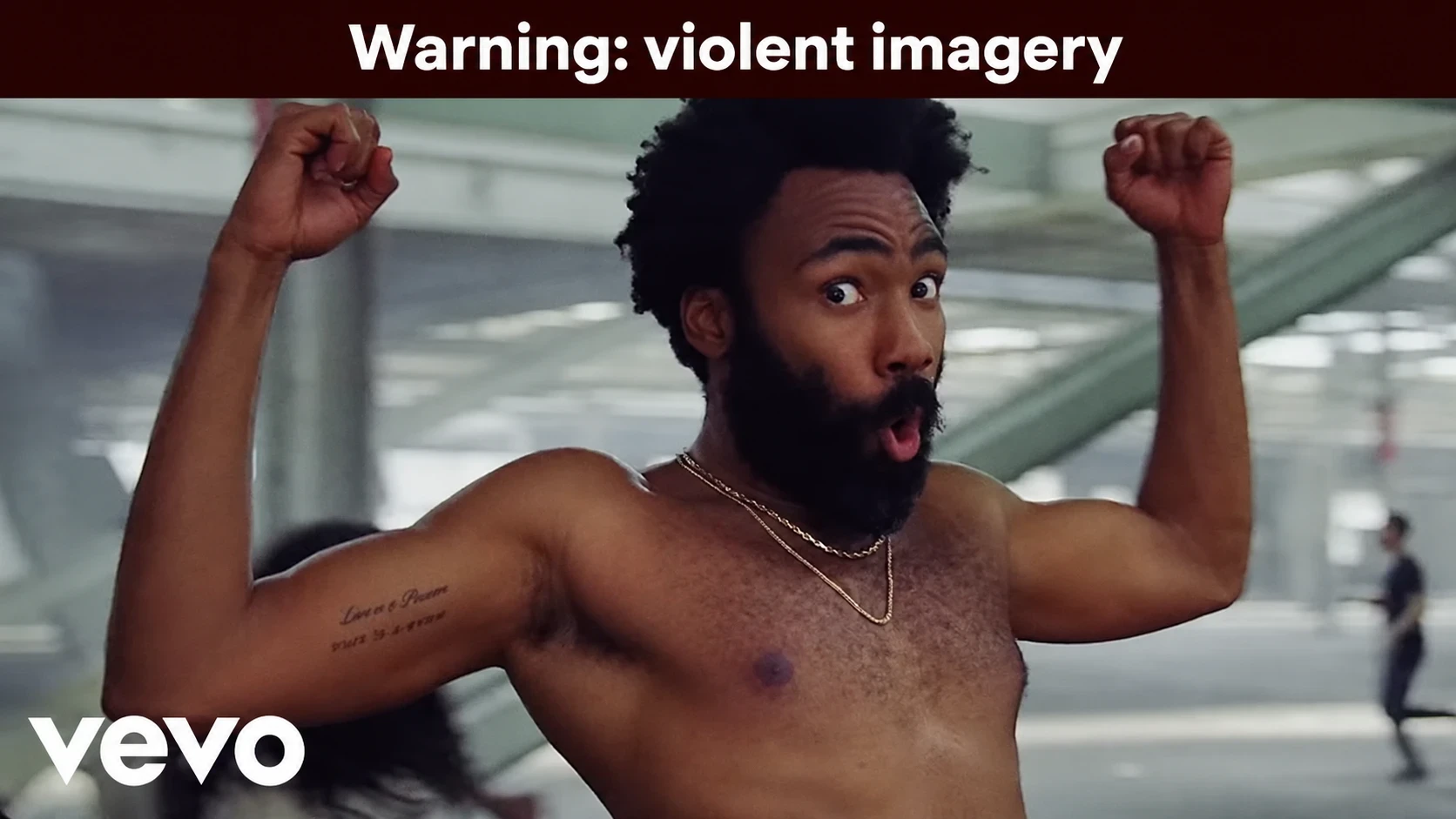 This Is America Official Video
Hip-Hop Is Now a Global Cultural Language
Today, artists around the world use hip-hop to discuss their own cities, governments, languages, traditions, and inequalities.
Regional movements have emerged across Africa, Asia, Europe, Latin America, Australia, and the Caribbean.
These artists do not merely copy American hip-hop. They localize it.
They combine rap with native languages, regional instruments, dance traditions, fashion, and political concerns.
The result proves that hip-hop’s methods can travel while its messages remain grounded in specific communities.
Streaming platforms have accelerated this exchange.
A locally produced record can reach international listeners immediately, while collaborations can connect performers who live on different continents.
The technology has changed, but the cultural process remains familiar: artists use rhythm, language, performance, and identity to explain where they come from.
Iconic Songs Function as Historical Records
The evolution of hip-hop cannot be understood through sales and charts alone.
Its iconic songs act as cultural records.
“Rapper’s Delight” represents commercial expansion.
“The Message” documents urban pressure. “Walk This Way” demonstrates crossover potential.
“Fight the Power” captures organized resistance.
“Straight Outta Compton” shifts attention toward regional realities. “Juicy” turns survival into aspiration.
“Doo Wop (That Thing)” expands the conversation around identity and responsibility.
“Alright” transforms perseverance into a public chant, while “This Is America” reflects an age dominated by viral images and digital interpretation.
Each song captures something about the period that produced it.
Together, they show how hip-hop grew from a community-centered movement into one of the world’s most influential cultural languages.
The sound continues to evolve, but its strongest records still serve the same fundamental purpose: they make people listen to experiences that might otherwise be overlooked.