Great comedy comes down to timing, delivery, and, most of all, the punchline. I’ve always found it fascinating how some punchlines get huge laughs, while others just get polite smiles or even silence. Knowing what makes a punchline hit hard, instead of feeling obvious or boring, turns out to be a blend of structure, surprise, and the natural rhythm of jokes. I’m going to dig into the reasons why certain punchlines really land and how they can move from predictable to unforgettable in comedy and everyday storytelling.
Understanding What a Punchline Really Is
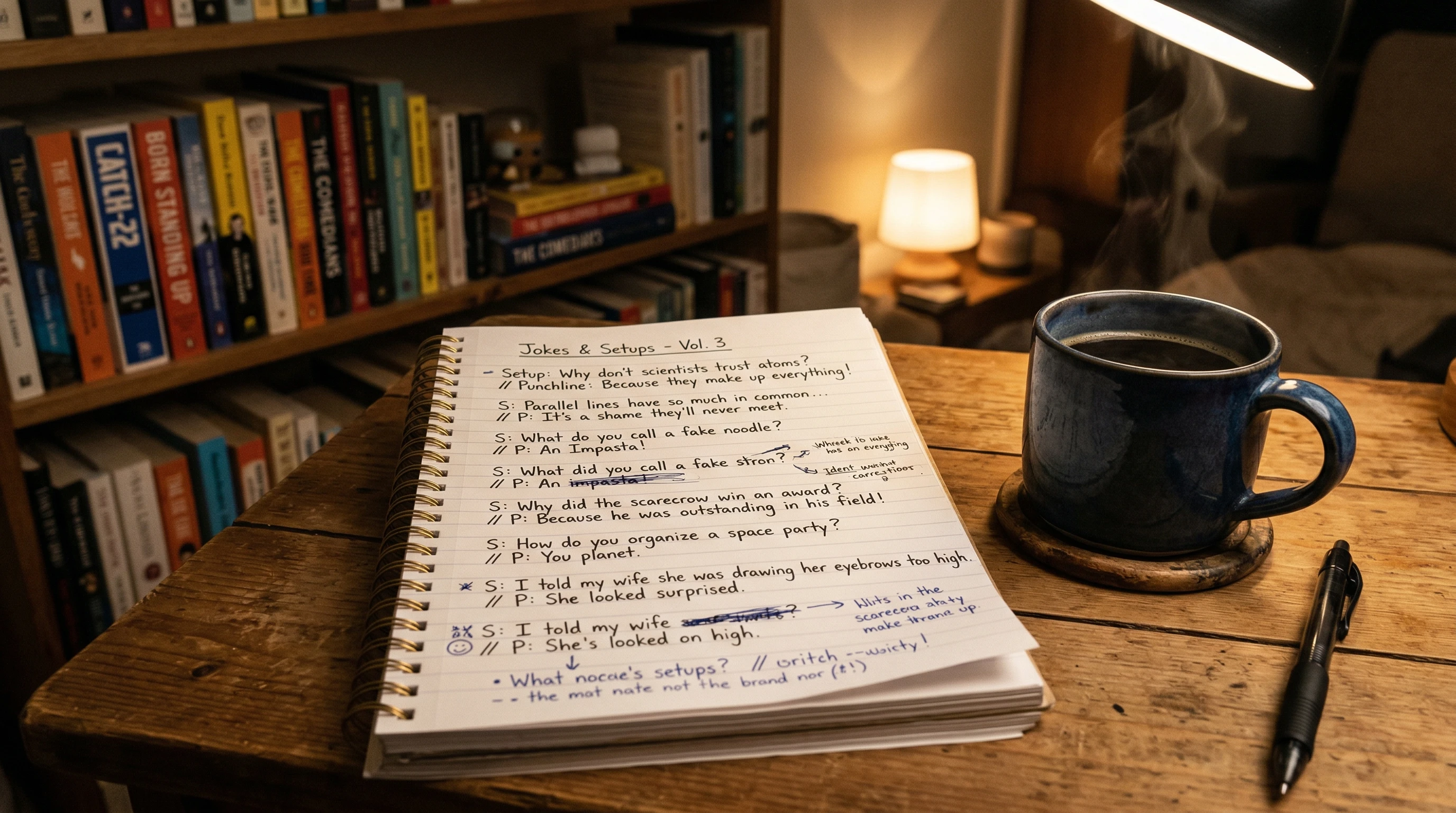
A punchline is the part of a joke or story where everything comes together, often with a twist or surprise. It follows the setup, which gets the listener thinking in one direction. When I share a joke, the punchline is what gives it that final hit, delivering either a surprise or a clever change in meaning. If there’s no twist, the audience can often see the ending coming from miles away, and that’s when it feels predictable instead of funny.
- Setup: The information that leads the listener down a specific path, creating expectations.
- Punchline: The part that suddenly changes those expectations, getting a reaction.
This structure is used not only in stand-up comedy but also in writing, movies, and even everyday conversations. Understanding how this structure sets up an expectation, then flips it, has helped me appreciate why some lines make people laugh loud and others just fizzle out.
What Actually Makes a Punchline Work?
For me, the best punchlines are usually unexpected yet make sense in hindsight. A punchline that truly lands is one that isn’t where the audience thought you were going but, after they hear it, everything clicks into place and feels satisfying even in its surprise.
- Surprise: The punchline should feel fresh and catch the audience a bit off guard.
- Timing: The pause right before the punchline is really important. It gives the setup time to sink in and builds tension.
- Relevance: The punchline should connect to the setup in a clever or meaningful way, even if the direction changes suddenly.
When I try to write punchlines, I focus on how I can guide someone in one direction and then take a sharp, logical turn toward another. Making that twist believable, but still surprising, is at the heart of a punchline that hits hard.
One thing I’ve noticed is that the most memorable jokes are often the ones where, even if people didn’t expect the punchline, they immediately see why it works. There’s a natural “aha” moment. This is often why classic jokes stay funny; they tap into a mix of logic and the unexpected at just the right time.
Common Causes of Predictable Punchlines
If I hear a punchline and I already know what’s coming, it falls flat for me. Predictability in punchlines usually happens when the setup is overused, or the wordplay is too familiar. Here are a few things that make punchlines easy to guess:
- Using clichés or tired expressions.
- Following joke structures that have already been shared too many times.
- Relying on obvious rhymes or puns.
Sometimes, I catch myself repeating old formats, and even before I finish the joke, I know it won’t get a big reaction. The moment the listener’s brain jumps ahead and fills in the ending, the laughter usually drops off.
How to Make a Punchline Land: Real Tips from Experience
Writing punchlines becomes more fun and rewarding when I push past the obvious and look for a unique twist. Here are some ways I’ve seen punchlines go from predictable to genuinely funny:
- Start with Your Own Experience: Drawing from real life often creates fun setups that people haven’t heard before.
- Subvert Expectations: I like to look at the most obvious ending, then ask myself, “What’s the exact opposite or a completely random direction I could take this in?”
- Keep It Brief: Long punchlines can lose energy. The shorter and tighter, the better.
- Use Wordplay Sparingly: I’m careful with puns, since sometimes they work, but too many in a row wear thin fast.
- Play With Absurdity: Sometimes, a punchline that veers into the surreal or nonsensical ends up much funnier than something that “fits” too neatly.
For example, if I’m working on a joke about my cat and the setup is “My cat has been acting like a detective all week,” the easy punchline could be, “She’s been pausing for clues.” That’s pretty predictable. Instead, if I say, “Now she’s charging me by the hour and insists on wearing a tiny trench coat,” the twist feels unique and much less easy to predict.
Another approach I use is playing with tone. Sometimes, a punchline lands harder when it’s said completely seriously, even if the content is odd or silly. That contrast itself can make things funnier than expected.
Classic Punchline Types That Often Hit Hard
Some punchline structures have stood the test of time. Here are a few that I’ve noticed consistently make people laugh, especially when given a fresh angle:
- The Callback: Referring back to something mentioned earlier in the set or story. This pays off for listeners paying attention and creates a sense of clever timing.
- The Misdirection: I bring the audience one way, then turn sharply in another direction. This classic style remains fresh with new setups.
- The Double Meaning: Playing with words that have more than one interpretation. It works best when the double meaning comes as a surprise.
- The Deadpan Delivery: Saying something completely wild as if it’s the most normal thing in the world. This often gets a laugh just from the contrast.
Knowing these formats helps me recognize the risks of making them feel stale, so I try to introduce a detail or personal twist to keep things new and engaging.
Challenges When Crafting Original Punchlines
Writing strong punchlines comes with a few hurdles. I’ve bumped into these myself when trying to write stand-up or even casual jokes with friends:
- Pressure to Be Unique: Trying too hard to stand out can make a line feel forced or complicated, which can actually dull the punch.
- The “Freeze Up”: Sometimes, knowing the punchline has to be the big payoff can stop me from writing it at all. I’ve found making a list of several possible punchlines and picking the one that surprises me most often helps.
- Audience Expectations: If I’m with friends who already know my sense of humor, I have to work extra hard to surprise them and get a genuine laugh.
Getting over these bumps, for me, means writing a lot of drafts and testing them out in safe spaces. Hearing real-time reactions is one of the fastest ways I’ve picked up what works and what doesn’t. Sometimes, just saying the joke out loud helps me sense where it goes flat.
Example: The Importance of Testing Punchlines
Trying out material in open mics or even on social media has shown me that what makes me laugh while writing doesn’t always hit for others. The energy in the room, or even the tone in a text, can really switch up how a punchline lands. Sometimes, a line bombed at a big event ends up working perfectly in a quieter setting, so I keep notes when those changes happen and learn from them.
I’ve realized that sometimes the context matters as much as the actual wording. A punchline that needs build-up in one environment may do better as a one-liner elsewhere. Flexibility and willingness to adapt are keys to getting the most out of a joke.
Practical Ways to Develop Strong Punchlines
I rely on a mix of practice and observation to improve how I write punchlines. Here are a few steps that work for me and might help anyone interested in learning this skill:
- Write Down Setups and Try Multiple Endings: I rarely go with my first punchline. Listing at least five options helps me get past obvious ideas.
- Read and Watch Comedians: Studying great joke writers can spark ideas and reveal patterns I might have missed.
- Workshop Jokes with Friends: I run lines by people I trust. Honest feedback helps me adjust timing and tweak wording to hit harder.
- Record and Analyze My Own Delivery: Sometimes a punchline sounds better in my head than it does out loud. Recording practice sessions helps me spot flat notes and improve delivery.
I’ve found that teaming up with others is especially helpful. When I expect constructive criticism, it becomes easier to see when a punchline is just too predictable or could be tightened up. Sometimes, what doesn’t work for me gets a huge laugh from someone else, so sharing material broadens my understanding of what hits.
Everyday Examples: Where Hard-Hitting Punchlines Show Up
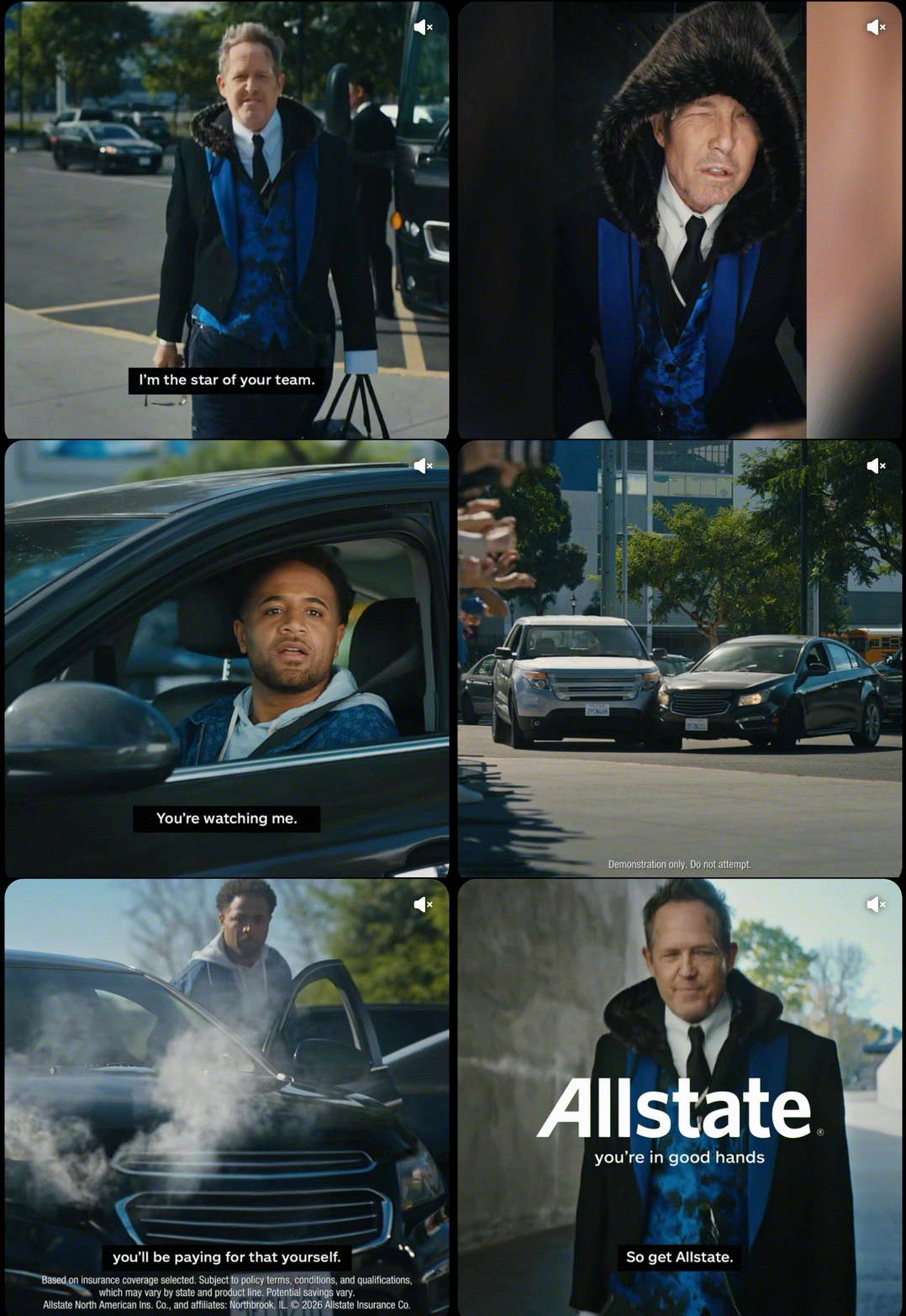
Most people think of punchlines in comedy routines, but they’re just as valuable in storytelling, writing, and even presentations. I notice good punchlines in funny ads that close with a memorable twist.
Another are with books that use clever closing lines to break tension, usually with a subtle joke.
Taking it even further would be when Hip hop offers some of the strongest examples of this same principle. You look at a well-structured rap song that can build anticipation through its verses before delivering memorable moments in the chorus or bridge. One example is Lupe Fiasco’s The Show Goes On, which demonstrates how song structure can strengthen lyrical impact and audience engagement.
Even storytelling events that lets the payoff connect with a hidden detail from earlier.
Comedians like Ali Wong and John Mulaney show this skill in every set, but I see it in everyday conversations too, like the friend who always comes up with just the right unexpected reply to break everyone up at the dinner table.
Even in business meetings or speeches, slipping a surprising punchline at the end of a story can wake up the room or reinforce a point in an unforgettable way. It’s a tool that goes far beyond comedy clubs.
Frequently Asked Questions
Question: How do I stop my punchlines from being too obvious?
Answer: I avoid common expressions or puns and instead ask myself, “What’s a totally different way to end this setup?” Trying several alternatives before picking one usually helps.
Question: Are some punchlines just naturally funnier than others?
Answer: Some structures work more reliably, but it’s the unique twist or personal touch that usually makes them unforgettable. Experimenting with new angles keeps things fresh.
Question: Does delivery matter as much as the words?
Answer: Delivery counts for a lot. I pay attention to timing, pauses, and tone, since they all help set up the audience for maximum effect.
Bringing It All Together
I keep coming back to the basics: a great punchline is clear, surprising, and feels fresh. Focusing on setups that invite a twist, staying aware of worn-out formats, and practicing my delivery has helped me get better reactions. When I work hard to switch directions just when someone least expects it, I find the punchline lands in a way nobody forgets. Getting good at punchlines takes effort and playfulness, but it always makes stories and jokes more memorable.