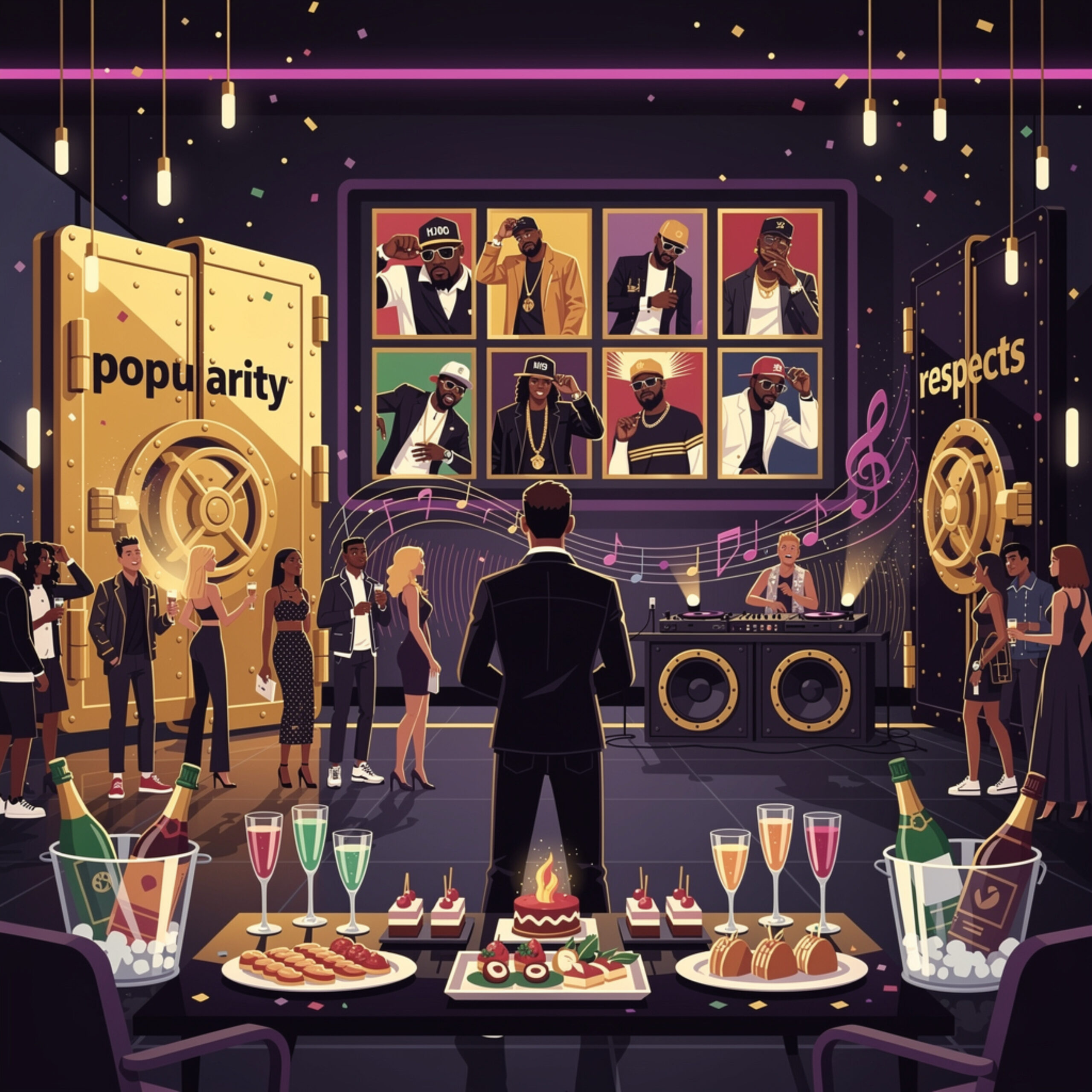
Hip hop has grown from street corners and block parties to arenas and charts across the world. From beats and lyrics to fashion and activism, certain artists have created cultural moments and opened new doors for everyone who followed. In this article, we’ll walk through ten of the most influential hip hop artists whose impact reaches far beyond just music. Each of these figures changed the direction of hip hop in their own unique way, and their influence is still felt today.
The Impact of Hip Hop’s Game Changers
Hip hop started out as a creative force in communities that needed a voice. Over decades, it has become one of the world’s biggest genres, shaping everything from TV shows and advertising to politics, fashion, and social media. When thinking about game-changing artists, I focus on those who either brought something totally new or turned up messages that needed attention. Each person on this list set off trends and conversations that made people listen, and take action.
I grew up replaying tapes from many of these artists, and each release felt like an event. Major news outlets and music critics continue to point out how these figures shaped trends, changed production styles, or influenced how artists talk about their backgrounds and communities. Their records constantly pop up on ‘best of’ lists, cementing just how far their legacy reaches.
It gets kind of sad to think about how we’ve experienced some of the untimely passing of legends in hip hop has happened over this decade alone. One of the most notable and relevant to date is Tay Keith.
Who are 10 influential hip hop artists?
These ten names often come up when talking about real influence in hip hop culture. The order is less important than the fact that each brought lasting change:
- Grandmaster Flash
- Run DMC
- Tupac Shakur (2Pac)
- The Notorious BIG (Biggie Smalls)
- Missy Elliott
- Jay Z
- Eminem
- Kanye West
- Kendrick Lamar
- Lauryn Hill
Quick Artist Rundown: How They Changed the Game
Every one of these artists did something that stood out in a big way. Some helped to put hip hop in the spotlight; others changed production, lyrical style, or brought social issues onto the main stage. Here’s a quick guide to what each contributed:
- Grandmaster Flash pioneered the art of turntablism, using the mixer and records as instruments. His track “The Message” brought social commentary to hip hop, turning music into more than just a party soundtrack.
- Run DMC broke down barriers separating hip hop and mainstream, with their collaboration on “Walk This Way” with Aerosmith becoming legendary. They also made Adidas sneakers and tracksuits global symbols in fashion.
- Tupac Shakur is remembered for his poetic lyrics and raw honesty. He could speak on everything from poverty to hope, making the genre deeper and more complex.
- The Notorious BIG turned storytelling into an art form, with tracks painting vivid pictures of Brooklyn life that captured ambition and struggle alike.
- Missy Elliott redefined hip hop visuals with her music videos and added wild creativity to her beats and flows, inspiring artists who came after her to be bold.
- Jay Z went from hustler to business mogul, proving that hip hop could mean success far beyond music. His wordplay and business sense are now legendary, and he expanded his influence into sports and entertainment industries.
- Eminem challenged what mainstream audiences thought hip hop could sound like. His emotional intensity, rapid rhymes, and willingness to open up about addiction, family, and fame blazed new trails.
- Kanye West changed production standards by using innovative sampling and pushing album boundaries. From “The College Dropout”, “Late Registration“, to even “Yeezus,” each release became a talking point.
- Kendrick Lamar focused on detailed storytelling and social justice, tackling hard subjects like race, community, and identity. He’s earned everything from Pulitzer Prizes to Grammys.
- Lauryn Hill merged soul, R&B, and hip hop with both singing and rapping skillfully. Her solo album “The Miseducation of Lauryn Hill” set a bar artists still try to reach.
What Made Their Contributions So Important?
Hip hop as a genre keeps switching up, but these artists are cornerstones in its growth. Their biggest contributions reached beyond beats and rhymes—they connected with fans personally and opened new spaces for self-expression. I still feel the impact of Biggie’s lyrical detail and Missy Elliott’s video creativity whenever I watch new artists push their own limits. These are some reasons why these artists’ influence runs so deep:
- Pioneering Sound: Changing production, introducing fresh techniques, or inventing beats that no one had tried before.
- Bold Lyrical Content: Storytelling about real life; struggle, victory, heartbreak, and hope.
- Pushing Social Change: Providing a voice to the unheard and sparking conversations within and outside the music world.
- Fashion and Branding: Turning personal style into worldwide trends.
- Business Moves: Redefining what hip hop artists could do by starting labels, entering tech, sports, and more, shifting ideas about wealth for an entire generation.
A few specific albums that impacted my understanding of hip hop
- Finally Famous
- Watch The Throne
- The Adventures of Bobby Ray
- Man on The Moon
- Based on a True Story
These are all albums that I collected personally. They helped shape my worldview of hip hop one way or another.
I didn’t start collecting these physical CDs until high school. They were impactful for me personally because they would be the albums that I would faithfully play and have intense debates with my peers about why they were reputable.
For example, I recall watching the BET Hip Hop Awards that usually hosts cyphers. Will one year I watched it when G.O.O.D. Music did theirs and it was one of the first that left me amazed. You had Kanye, Common, Pusha T, Cyhi The Prince, and Big Sean. I was already familiar with most of them and their rapping ability, but when Big Sean’s verse came up, it stood out to me. He had a smooth flow with plenty of references that I could appreciate. One that stood out was mentioning a nearly prime LeBron James. After that, I did more research on him as an artist and it led to me getting his album Finally Famous!
Common Questions About Influential Hip Hop Artists
Here are some of the questions I hear a lot when people start learning about hip hop history:
Who started hip hop?
Most fans and scholars point to DJ Kool Herc, who threw parties in the Bronx during the 1970s, as one of the starting points. Grandmaster Flash and Afrika Bambaataa also played major roles in shaping early hip hop culture through DJing, rapping, and breakdancing.
Why are Tupac and Biggie always mentioned together?
They were both legends in storytelling and star power. Their East Coast/West Coast rivalry, along with their untimely deaths, turned them into mythic figures. They’ve influenced nearly every rapper who’s come after—including today’s biggest stars.
Are female artists as influential in hip hop?
No question about it. Artists like Missy Elliott, Lauryn Hill, Queen Latifah, and Nicki Minaj opened doors for more women to become stars, and their success in music, fashion, and beyond has established lasting change for all artists.
How do modern artists compare with these icons?
Current artists such as Drake, J Cole, and Megan Thee Stallion often build directly on these icons’ legacies. Whether through music styles, fashion, or social awareness, today’s stars continue trends that these legends kicked off.
Dig Into: Hip Hop’s Influence in Everyday Life
Hip hop’s reach goes way beyond music. Its presence is clear in how sneakers and streetwear brands market to young people. Words and slang from songs show up in movies, commercials, and regular conversations. Biggie’s and Kendrick Lamar’s approaches to storytelling inspire podcasts, while Kanye West’s production has helped shape pop and indie music. Many film, TV, and fashion movements online stem from the risks and ideas these artists pushed forward. Even how artists today openly discuss mental health—like Kid Cudi and Logic—traces back to the honesty shown by earlier hip hop leaders about their struggles.
- Fashion and Lifestyle: Jay Z’s Roc Nation and Yeezy shoes changed business models for artists, linking music with style in new ways.
- Social Media: New phrases, memes, and breaking news, often have roots in lyrics or interviews from these top artists.
- Film and TV: Documentaries and biopics about Tupac, Biggie, and groups like NWA (“Straight Outta Compton”) keep attracting new fans and keeping these stories alive.
Starting Your Own Hip Hop Adventure
If you want to learn more or start creating, listening to albums and watching interviews from these ten artists is the perfect start. When I first heard albums like “The Blueprint” or “Good Kid, M.A.A.D City,” I realized just how much could be done with words and beats. Classic tracks show the roots of modern hip hop, and each new generation of artists adds their own layer. Explore different decades, check out lyrics, and watch old music videos to get a grip on hip hop’s foundation—and where it could go in the future.
Wrapping Up: Why These Artists Matter
Hip hop’s story is always in motion, but the impact of these ten artists remains powerful. Their music tears down barriers, and their messages spark inspiration year after year. Listening to their work now, I still pick up lessons about persistence, storytelling, and creativity. If you care about music or culture, you’ll find a lot to learn and enjoy from what these artists achieved.
Getting into the work of influential hip hop artists opens your mind to new perspectives on music, life, and community. Hip hop isn’t just about beats; it’s about pushing forward and lifting each other up, every step of the way.
Return to EQ Heat