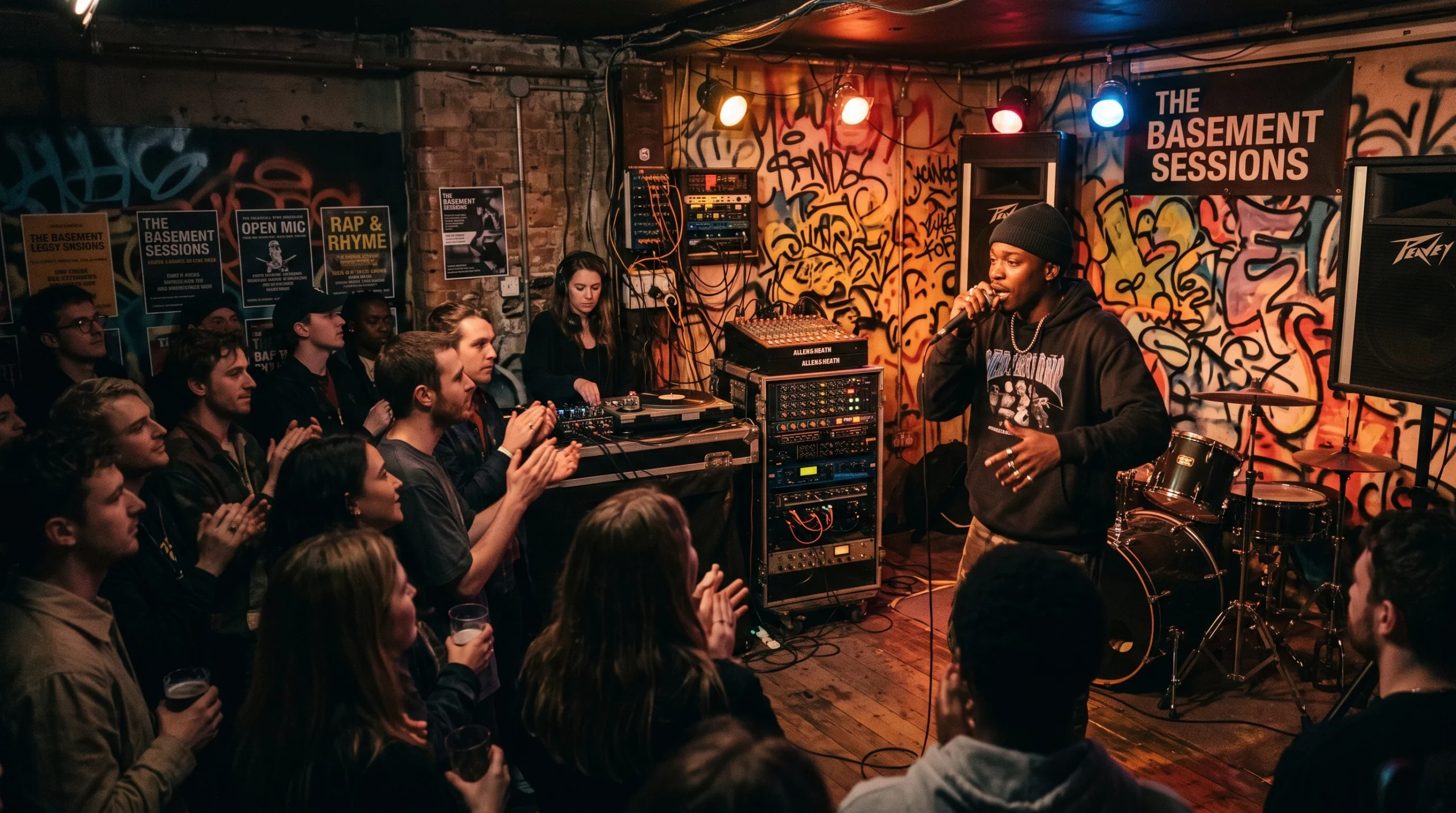
Offline rap is having a moment, and it’s a breath of fresh air for music lovers who are tired of endless social feeds and viral content. I’ve noticed that some of the most unique and genuine conversations about hip hop happen far away from cameras and comment sections. When rappers put their art front and center for a live, in-person crowd, something special lights up the room. That raw, face-to-face energy builds stronger connections than any like or retweet ever could. So I’m walking you through how offline rap found its place, shaped the way people experience hip hop, and why it still matters in the age of oversharing.
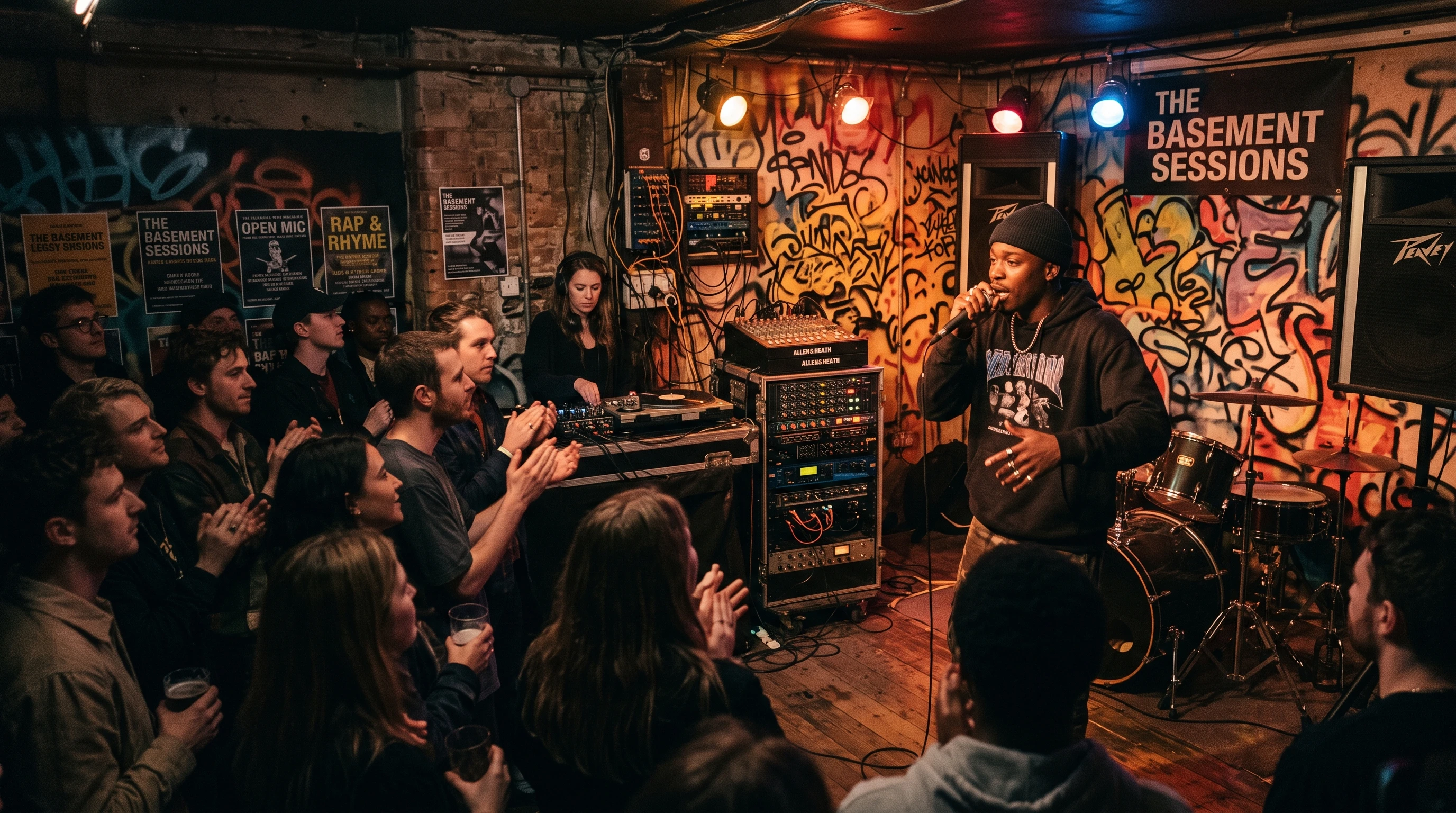
Where Offline Rap Started: The Early Days
Way before rap became a mainstay on playlists worldwide, hip hop was all about being present in the moment. The original hip hop gatherings in New York’s South Bronx in the 1970s were mostly held at block parties, basements, or community centers. There were no phones to distract the crowd or capture the magic, just live beats, quickwitted lines, and people coming together. Performers had to win their audience by reading the room, improvising, and literally moving the crowd.
The roots of offline rap run deep in local communities, with openmic nights, cyphers, and battles that helped artists earn their stripes. This inperson style made sure only the most creative and versatile voices got noticed, and often, the legend grew through stories, not social posts.
How Offline Rap Grew and Changed
Offline rap stuck around even as technology started to change everything.
While recorded tracks and radio play helped hip hop hit a bigger audience, the culture of live shows, park jams, and impromptu freestyle sessions never really disappeared.
Smaller, offthegrid venues, community centers, and afterparties became breeding grounds for new sounds and fresh talent. These spots were never about building an online presence, they were about seeking respect face to face. Whether it’s New York’s boombox battles, LA’s backyard shows, or London’s secret MC throwdowns, the core of offline rap has always been about showing up and proving you’ve got it.
Cool Things About Offline Rap, And Some Challenges
Performing without a mic in your face or a phone in your hand takes a different kind of skill and confidence. Here’s what makes it worth checking out, and what can trip people up:
- RealTime Feedback: You feel the crowd’s energy instantly. You’ll know if you’re connecting, or if you lost them, within seconds.
- Improvised Creativity: With no backspace or edit button, rappers need to freestyle, pivot, and keep the flow alive no matter what.
- Lasting Connections: Faceto-face rap builds relationships. People who’ve shared a basement cypher are likely to keep supporting each other years down the road.
- Missed Documentation: The coolest bars or moments can vanish with the night. Nobody’s capturing every second to share online, which makes it more real but sometimes frustrating if you want to remember a nextlevel cool moment.
- Accessibility: Not everyone has access to these spaces, and sometimes scenes can feel exclusive if you’re new. Reaching out or starting small can help break in.
Getting Into Offline Rap: Quick Tips to Join or Start
Trying to tap into offline rap or start something in your own area? Here are some practical steps:
- Find Local Open Mics: Coffee shops, rec centers, or even community Facebook groups may post about regular meetups.
- Bring Friends: Rolling with a crew helps break the ice and shows instant support, especially if nerves are high.
- Start Small Cyphers: Freestyling with a few friends in a park or someones garage is a great entry point.
- Keep it Respectful: Respect the host, the crowd, and the other performers. This vibe means everything for future invites and opportunities.
- Experiment Without Overthinking: Offline rap isn’t about being perfect every time; messing up is part of the experience and helps you grow.
Taking these steps can help you build your confidence, get better, and create stronger ties in the hip hop scene around you. You might even stumble upon hidden talent or unexpected friendships that shape your path in ways online spaces never could.
Things To Think About Before Getting Into Offline Rap
Offline rap definitely has its own speed bumps, especially if you’re used to curating an image online first. Here are a few things to consider:
- Performance Anxiety: Inperson crowds can be intimidating. Practicing in lowkey settings can help take the edge off and let your personality come through.
- Building Your Own Scene: If you can’t find events, maybe you’re the one to start them. Partnering with local businesses or youth groups can help get space and support. Sometimes being the catalyst makes you a central part of the local music family.
- Networking: Offline rap is still a lot about who you know, so being friendly, open, and proactive is really important. This can lead to cool collaborations and growth for both you and others.
- Capturing the Magic: While some purists avoid recordings, stashing a small recorder or inviting someone to document highlights now and then can help you look back. Sometimes a special recording is all it takes to later relive a great night.
Performance Nerves
If stepping onto a tiny stage or into a buzzing basement makes your hands sweat, you’re in good company. Most MCs started out nervous. Practicing your lyrics at home, then building up to a casual session with friends, gets you used to performing while staying relaxed. Smaller crowds usually mean more supportive vibes, which help smooth out any jitters. Over time, this process helps step up your stage presence and lets your unique style shine through.
Community Building
Finding your people in real life isn’t always a breeze. For folks living in cities with a smaller hip hop scene, consider reaching out to musicians, DJs, and even artists from other music styles. The more connections, the more likely you are to stumble on, or start, a cool recurring event that fans want to attend. This not only grows your network but also makes the entire local scene richer and more diverse.
Advanced Moves: Bringing Offline and Online Worlds Together
Some MCs and event hosts have found creative ways to balance privacy and publicity. Recording select tracks or performances and then uploading short clips (not whole sets) gives people a taste while still keeping the main event intimate. Others launch “no phone” shows where phones are checked at the door or ask fans to keep performances special to the moment. This helps keep things focused on the music while letting wordofmouth hype grow naturally.
If you want to experiment, try inviting a trusted friend to record highlights, then sit down with them afterward to decide together what feels right to share (if anything). This keeps things authentic and avoids that awkward “performing for the camera” vibe that can take away from the realness of a live set.
How Offline Rap Shows Create Special Moments
A live rap performance offers a kind of experience you just don’t get online. There’s no pausing, replaying, or fastforwarding, just pure involvement. Someone who raps in person is usually remembered for their voice, their energy, and the little details that never make the internet.
- Instant connection: MCs can adjust lyrics, energy, or topics in real time, reacting to the mood or even random comments from the crowd. This creates a feeling of community you can’t fake.
- Deeper friendships: I’ve seen people become lifelong friends after one random night of cyphering in a friend’s kitchen or on a city rooftop. Real bonds often form over music shared face to face.
- Respect built on skill, not follower count: In these spaces, skill and authenticity matter way more than social clout; your reputation grows based on live connection, not online likes.
Offline rap’s special vibe is built on its spontaneous nature and the way it prioritizes personal growth. If you think you’ve heard it all through streaming platforms, getting into a few local shows will reveal a whole new side of hip hop that’s just waiting for you to check out.
Frequently Asked Questions
Question: What makes someone stand out in offline rap?
Answer: Confidence, original lyrics, and genuine crowd interaction. People remember how you made them feel more than any single rhyme. Live charisma and being able to spot and adapt to the room set you apart in real time.
Question: How do I find offline rap events near me?
Answer: Checking with local venues, following community bulletin boards, or talking to people in local music scenes works better than online searches alone. You might find secret shows or underground parties just by asking the right people around town.
Question: Is it okay to record offline rap sessions?
Answer: Always ask first. Some events want to keep things strictly offline; others welcome a little documentation. Respecting the vibe goes a long way.
Why Offline Rap Still Matters
Offline rap keeps the heart of hip hop beating somewhere quieter than the digital world. The way people connect, grow, and inspire each other in these underrated spaces has a real impact on the culture. It’s helped me find some of the coolest, most genuine voices around, and if you stick around long enough, you just might see someone take their first step from rapping for friends to becoming a neighborhood legend. Whether you’re all about privacy or just want a break from performing for the feed, there’s a place for you. Offline rap proves that you don’t need to always be seen to leave a mark, and sometimes, the best art is the kind that only a few people ever get to witness in real life.