Sharing behind the scenes moments on social media can give followers a genuine peek into how things really work, from day to day routines to big projects unfolding step by step. I have found that showing more than just polished results creates a stronger relationship with audiences and keeps them interested in coming back for more. In this article, I’ll share my insights on why behind the scenes content is so effective and offer tips to help you make the most out of these moments on your social media channels.
Why Sharing Behind the Scenes Content Works
Behind the scenes content lets me bring people into the real process. Instead of just seeing the end product, they get to see the effort, preparation, and sometimes even the mistakes along the way. This kind of sharing builds authenticity, which is hugely important in today’s digital world. Audiences are much more likely to trust and support creators and brands that feel honest and approachable.
Social media platforms are crowded. When I post something less polished, like a look at my creative process or a glimpse of my workspace, it stands out from perfectly edited posts. According to Sprout Social, content that tells a story or feels personal tends to get higher engagement. With so many people looking for humans on the other end of accounts, these posts can really make a difference.
Behind the scenes posts also help explain the story behind a product, project, or idea. I use them to give context that makes the final result more meaningful. When people see the effort involved, it often increases their appreciation and support for what I do.
How to Plan and Capture Great Behind the Scenes Moments
Deciding what to share behind the scenes depends on what feels natural. I start by looking at the processes and routines that make my work possible. Even something that seems everyday can look fresh to an outside audience. Here are a few common areas that work well as behind the scenes content:
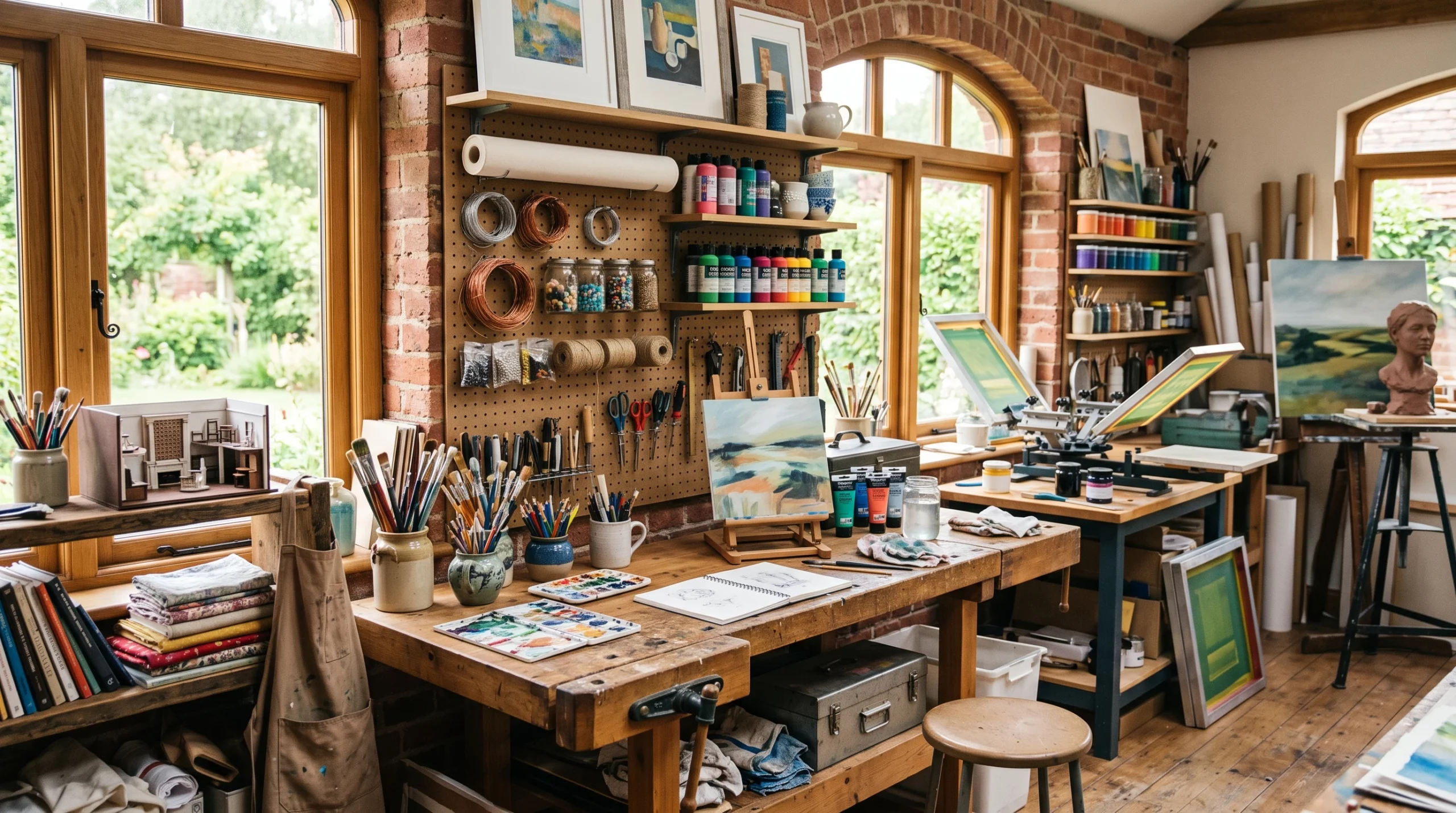
- Workspaces: I often show my desk, tools, or the environment where I create. This gives followers context about my setup.
- Preparation and Setup: Sharing how I get ready for a project or event tells the story before the main event.
- Team Effort: If I work with others, highlighting those collaborations or brainstorming sessions paints a fuller picture.
- Mistakes and Bloopers: Showing that things don’t always go as planned helps humanize my work and might get a few laughs too.
Bringing people along for the ride makes them feel part of the adventure. When catching behind the scenes footage, I use my phone or camera to quickly snap photos or record short videos. There’s no need for perfect lighting or editing. I keep it light and aim for natural moments, whether things are going smoothly or not.
Best Practices for Posting Behind the Scenes Content
Getting behind the scenes content ready for social media is simple, but there are a few tips that can make it more engaging and valuable:
- Keep It Real: People are drawn to what feels authentic. I avoid overediting or staging these moments. The less scripted, the better.
- Share the ‘Why’: Context matters. I add a line or two explaining what’s happening, why it matters, or what I learned from the moment.
- Mix Up the Formats: Photos, quick clips, timelapses, and even audio snippets all work. I try different formats to see what my audience responds to best.
- Tag and Give Credit: If I’m working with others or using products, I tag them in the post. This not only gives credit but might help expand the reach.
- Respond to Engagement: When people comment or ask questions, I reply or share more about the process. This interaction helps build a stronger community.
Common Challenges and How to Manage Them
Posting behind the scenes content feels rewarding, but I have run into a few hurdles that are worth mentioning, especially for anyone just starting out:
- Privacy Concerns: Sometimes, the workspace or coworkers may not want everything shown. I always check before posting anything that involves other people or sensitive information.
- Too Much Detail: Overloading followers with too many behind the scenes updates can make the main content feel less special. I try to find a balance by sharing only the highlights or most interesting parts.
- Quality Control: Raw doesn’t have to mean messy. I still check for clear audio and visuals so content is easy to enjoy, even if it isn’t perfect.
- Copyright or Confidentiality: In some industries, showing certain products, prototypes, or documents is a no-go. I am careful to avoid sharing anything that shouldn’t be public or that could cause problems down the road.
Privacy Concerns
Respecting personal and professional boundaries is really important. Before filming or photographing, I ask those involved if they are comfortable appearing in the background or being mentioned. I also blur or crop out any sensitive information that shouldn’t be online. This approach keeps everyone comfortable and saves headaches later on.
Too Much Detail
Sharing too often can overwhelm audiences or take away from the excitement of the finished product. I schedule posts sparingly and focus on moments that help tell the story of the bigger project. Variety helps, too—mixing in regular content with these peeks behind the curtain keeps my account interesting.
Quality Control
Even with off the cuff footage, I doublecheck for basic audio and visual quality. A little attention to background noise or camera angle makes the difference between an enjoyable peek behind the scenes and something people might scroll past. Sometimes I’ll do a quick reshoot if something didn’t come out clearly the first time.
Copyright or Confidentiality
If I’m ever unsure about whether something can be shown, I hold off. Checking with a manager, coworker, or referencing basic guidelines can prevent awkward situations. For those working with clients, I always secure their written approval before any behind the scenes content featuring their work goes live.
I find that careful planning, asking permission, and some basic checks go a long way in making sure my behind the scenes content is enjoyable but still responsible.
How to Get the Most Out of Behind the Scenes Posts
Pumping up the reach and value of behind the scenes posts means thinking about them as part of a bigger game plan, not just random uploads. I often frame these moments to tease upcoming releases or events. For example, I might post a photo of a messy desk with a note about something big coming soon. This builds excitement and keeps people curious about what’s next.
Storytelling is key here. I sometimes use a series of stories or posts that walk followers through the different phases of a project, from start to finish. This approach creates an ongoing narrative that brings people back for updates. Many platforms support highlights, reels, or saved stories, letting these moments last far longer than the initial post.
- Teasers: Previewing an upcoming launch with a quick shot of materials or planning sessions.
- Tutorials: Breaking down a behind the scenes task in more detail and showing how it’s done.
- Q&A: I ask followers to send questions about the process, which I answer in follow up posts.
Lessons from Real Life Examples
Some of the best behind the scenes shares I’ve seen come from small business owners, artists, and creators. When a baker puts out photos of early morning breadmaking, or an illustrator shows messy drafts and do overs, I get a sense of the passion and care behind the work. According to Hootsuite, brands that peel back the curtain often see stronger engagement and better brand loyalty.
In my own experience, sharing a short video each week of my creative process sparked more conversations and even led to new collaboration offers. Followers mentioned that seeing the real work inspired them to try something creative themselves. Small touches, like showing a tool breaking mid project or a messy workspace, can make a creator more relatable and memorable.
If you’re just starting out, don’t be afraid to let people see a little bit of the chaos that happens behind the scenes. It’s exactly these moments, when things might not go according to plan, that people tend to connect with most. Over time, putting out these authentic snippets helps grow stronger relationships and trust with your audience.
Frequently Asked Questions
Here are some questions I’ve heard about behind the scenes social media content:
Question: How do I know what parts of my process to share?
Answer: I focus on interesting or surprising moments that make my work unique. If something sparks a reaction or has a story, it’s a good candidate to post.
Question: How do I keep behind the scenes content professional?
Answer: I keep an eye on visuals and language. Everything stays onbrand and I avoid showing anything that could cause confusion or problems.
Question: What do I do if engagement is low?
Answer: I test different formats and times of day, ask followers for feedback, and look at which posts get the most interaction. Sometimes, simply asking what people want to see next gets a conversation started.
Takeaway Tips for Using Behind the Scenes Content
Behind the scenes moments show the reality and effort behind my work, helping people feel included and valued. By planning carefully, honoring privacy, and mixing things up, I keep my audience engaged and connected. Even if things aren’t perfect, sharing these real moments helps build genuine trust and lasting relationships with my followers. Chances are, opening up this window into your world will give both you and your audience something to look forward to each day.
Check out the last lesson on sharing tips and advice for more effective social media content if you enjoyed this one.