Identity isn’t just a name or a collection of facts; it covers the way the world sees us and how we see ourselves.
It’s empowering.
As life moves forward, I’ve found it’s actually pretty tough to hold onto who I am while also rolling with the changes that keep coming.
Whether I’m picking up new skills, dealing with big events, or simply growing older, I’ve realized keeping my identity safe and clear plays a big role in how confidently I can steer through what life throws at me.
I’m going to share some straightforward advice on protecting your identity while changing—drawing from my own experiences and a bit of practical know-how.
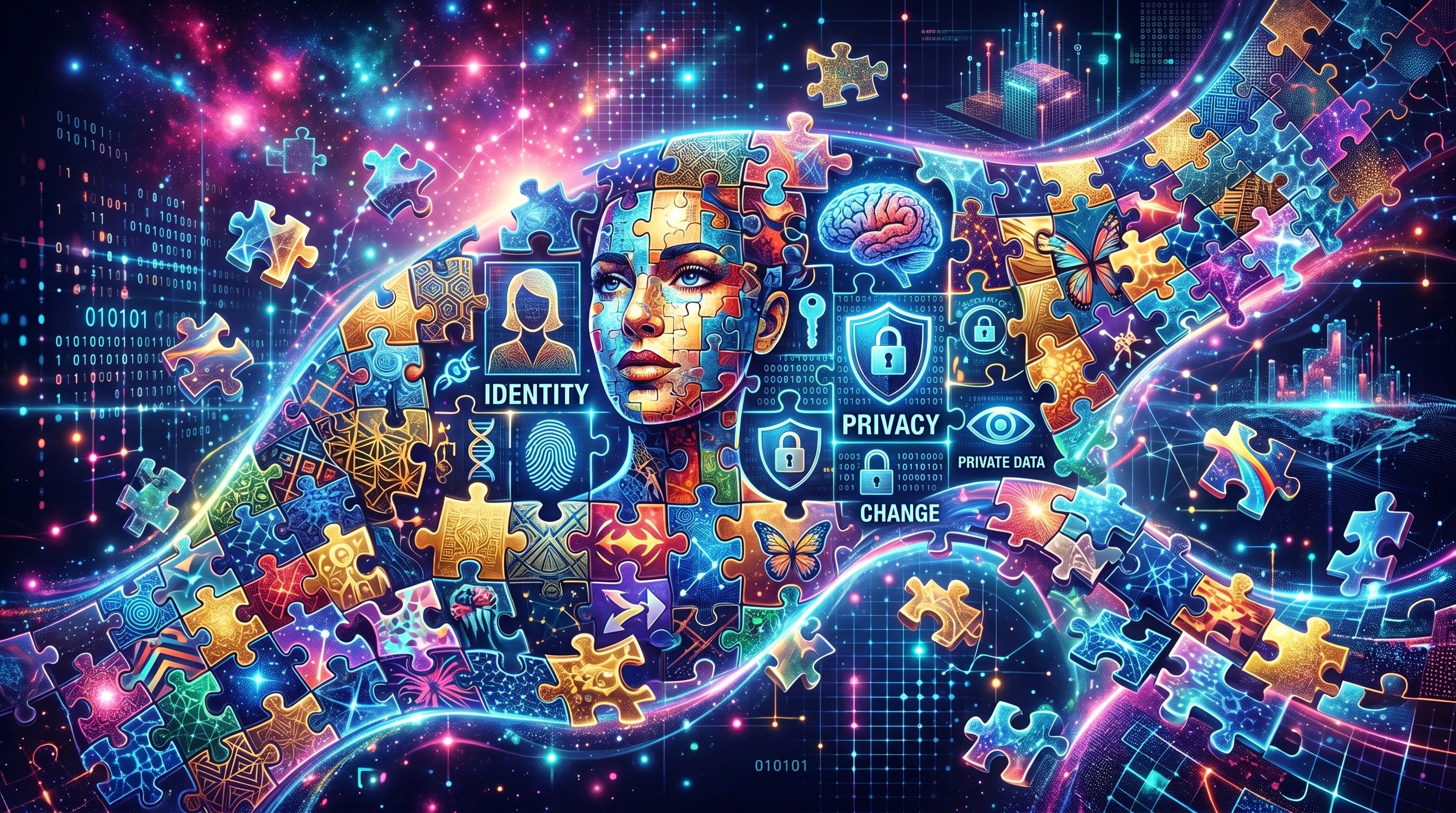
Why Identity Protection Matters When Everything Changes
My identity isn’t static. It grows as I do, influenced by the jobs I take, the cultures I experience, and the mistakes I learn from. Even small moments, like moving to a new city or switching careers, can challenge how I see myself. But there’s something really important about keeping certain parts of my identity secure through all this change.
When my identity is clear, and I’m confident in who I am, I notice it’s easier to be authentic, connect with others, and bounce back after setbacks. Without some sort of anchor, it’s easy to feel lost or to be shaped too much by outside opinions. Protecting the core values and beliefs that make up my identity helps me grow without losing what’s unique or valuable about me in the process. Sometimes, all it takes is a single moment of self-reflection to remember why staying rooted matters so much.
Understanding Identity: What’s Really at Stake
Whenever I think about protecting identity, I’m not only thinking about passwords or PINs. There’s the digital side, like keeping my online accounts secure, but there’s also the personal side, which is all about my values, boundaries, and sense of self-worth.
- Personal authenticity: This is about acting in ways consistent with my beliefs, even when circumstances change.
- Privacy and boundaries: I set lines about what parts of myself I’m comfortable sharing or keeping private, online and offline.
- Reputation: How people perceive me, in real life and on social media, matters a lot more now that so much of our lives are visible.
Change forces me to face new environments and expectations. If I don’t consciously hold onto the traits and beliefs that matter, I’ve found it’s all too easy for new situations to overwrite those parts. Sometimes this shift happens quietly, without me even realizing it.
Basic Safeguards: Creating Your Identity Safety Net
I’ve learned that blending flexibility with self-protection is the best way to adapt to new experiences without losing my sense of self. Here are some ways I keep my identity intact while still staying open to change:
- Know your values: I take time to figure out which beliefs and principles actually mean something to me. It helps to write them down or talk through them with someone I trust. Sometimes, thinking back to moments when I felt proud or true to myself helps highlight the values that make me feel strongest.
- Practice reflection: After big changes, like starting a new job or relationship, I pause and check in with myself. I ask, “Am I acting in line with my values, or am I just reacting?” Reflecting regularly keeps me from drifting too far from who I want to be.
- Set healthy boundaries: I get really clear about what I’m willing to do and where I draw the line, both with friends and at work. This protects my time, my privacy, and my energy. Maintaining good boundaries also helps fend off burnout and resentment over the long run.
- Keep some routines: Simple habits, like a morning walk or regular journaling, give me a sense of continuity. Even as things change around me, these routines remind me who I am. Routines are anchors; they keep me steady even when life swirls around me.
Digital Identity: Protecting Yourself Online as You Change
My digital identity is a whole different beast. The amount of personal and professional information floating out there is pretty wild. Every new app, job, or social profile tweaks my digital footprint. So, I focus on:
- Strong passwords and routine updates: Simple, but effective. I use a password manager so I’m not tempted to reuse passwords. Whenever I hear news of a cyber threat, I make a point of updating old credentials just to stay ahead of any risk.
- Limiting what I share: On social media, I avoid posting anything too personal or sensitive. If I wouldn’t share it with a stranger, it doesn’t go online. Thinking twice before publishing anything helps protect my private life, especially as my audience grows and changes.
- Privacy settings: I actually dig into those menus in every new app or site I use, just to be sure I’m not handing out more data than I want to.
- Checking data breaches: Sites like HaveIBeenPwned or the built-in alerts from password managers come in handy for keeping tabs on leaks or hacks that might affect my info.
This approach helps me grow my online presence, whether it’s switching jobs or picking up new hobbies, without exposing myself to scammers, doxxers, or unwanted attention. As digital spaces become more central to our lives, safe habits online have never been more crucial.
Coping With Pressure to Change: Social, Professional, and Internal
Sometimes, it feels like everything around me is pushing for change. Maybe it’s a new company culture, family expectations, or just the nonstop scroll of social media trends. I find it easy to get swept up and lose track of what matters most about who I am.
- Social circles: I remind myself that not every group or trend deserves my energy. I gravitate toward people and communities that respect my boundaries and values. Being choosy with my attention helps strengthen my sense of self.
- Work environment: At work, I stick to my ethics, even if that means having tough conversations or passing up certain projects. Protecting my professional reputation means more to me in the long run. I aim to leave spaces feeling good about how I handled myself, not just what I achieved.
- Inner talk: When things get stressful or confusing, I check how I’m speaking to myself. Gentle honesty, instead of harsh self-criticism, makes it a lot easier to grow while staying rooted.
Evolving With Confidence: Growth Without Losing Yourself
I’ve learned (and still learn daily) that healthy change never means throwing out the old me completely. Real personal growth actually builds on the best parts of who I already am. I keep asking:
- What skills or perspectives can I build on?
- How do these changes fit with the person I am and want to be?
- Is this new version of myself true to what matters to me?
When I handle growth this way, blending open-minded learning with a steady grip on my values, I avoid that lost, shapeless feeling. It also makes the process way more exciting. I feel proud of the person I’m becoming, because it feels like a real upgrade, not a replacement. Taking pride in progress—both big and small—keeps me motivated to keep growing.
Common Identity Challenges and Smart Ways to Tackle Them
- Impostor syndrome: Pretty much everyone I know has felt like a fraud at some point. I use reminders, feedback from people I trust, and little acts of self-celebration to balance out self-doubt. Celebrating wins, no matter the size, has helped my confidence stay afloat.
- Data leaks or scams: When information gets out, I make a habit of updating my passwords, monitoring my accounts, and reaching out to relevant sources (like banks or credit bureaus) early. I’ve found that quick responses can make a big difference in damage control.
- Loss of privacy: Keeping certain details off the record, both online and in real life, helps keep private life private, no matter how public things get. Sometimes, declining to answer a question or skipping a social post is the smartest move.
- Pressure to conform: Standing out or sticking to my beliefs, especially in new groups or settings, sometimes means being the odd one out. I lean into those moments by reminding myself what’s cool about being different. Often, those are the times when I grow the most.
Real-World Scenarios: Identity in Action
- Career Changes: When switching jobs or industries, I update my online bios, but I stay honest about my background and experience. This keeps my story consistent and trustworthy, making transitions smoother over time.
- Relationships: New friendships or partnerships can push me to try new things. When it feels too much, I step back and check if I’m bending too far just to fit in. I try to focus on what activities or values still feel right to me.
- Moving to a new culture or country: Adapting to bigger changes means learning new customs, but I find little ways—food, music, conversation—to keep old routines and traditions alive. That balance helps me feel at home, no matter where I am.
Frequently Asked Questions
How do I figure out what’s core to my identity?
It helps to think about situations where I feel genuinely myself, proud, or comfortable. I pay attention to the values or traits that show up in those moments. Talking it through with close friends, or journaling, works too.
What should I do if I feel lost during big life changes?
I try not to panic or rush it. Feeling unsettled is pretty normal when everything’s changing. I focus on small routines that ground me, reach out for support, and try to notice what feels right or wrong for me in new situations. Making notes about what I miss or enjoy in these moments can be super helpful for clarity.
Can I really keep personal data safe online?
Absolute safety is tough, but careful habits, like managing privacy settings, avoiding oversharing, and using strong, unique passwords, really cut the risks. Identity protection services and credit monitoring might help for those who need extra peace of mind. Staying updated on digital risks is key to keeping control.
Carrying Your Identity Into What’s Next
Protecting your identity as you change isn’t about freezing yourself in place. It’s about knowing what matters most to you, being honest about changes, and setting up habits and boundaries that let you keep growing. I find that when I respect my own identity—both the steady and shifting parts—I’m way more comfortable with whatever life brings next.
By being intentional about personal growth, digital security, and the stories I tell about myself, I keep my identity clear and strong. And I think anyone can do the same, one step at a time, even when life keeps throwing curveballs. It takes some real work to stay true, but in the end, it’s worth it for the confidence and calm it brings as you move forward.