Learning and appreciating music starts with getting a handle on a few core ideas. I see music as a way to connect with emotions and people, not just a set of technical skills or rules. For anyone curious about what makes music meaningful and memorable, understanding the basics makes a huge difference. In this article, I’ll share what I’ve found to be the real fundamentals in music: creating, understanding, and communicating. I’ll break these down so they make sense even for someone just starting out, and I’ll include insights from my own experience making and listening to music.
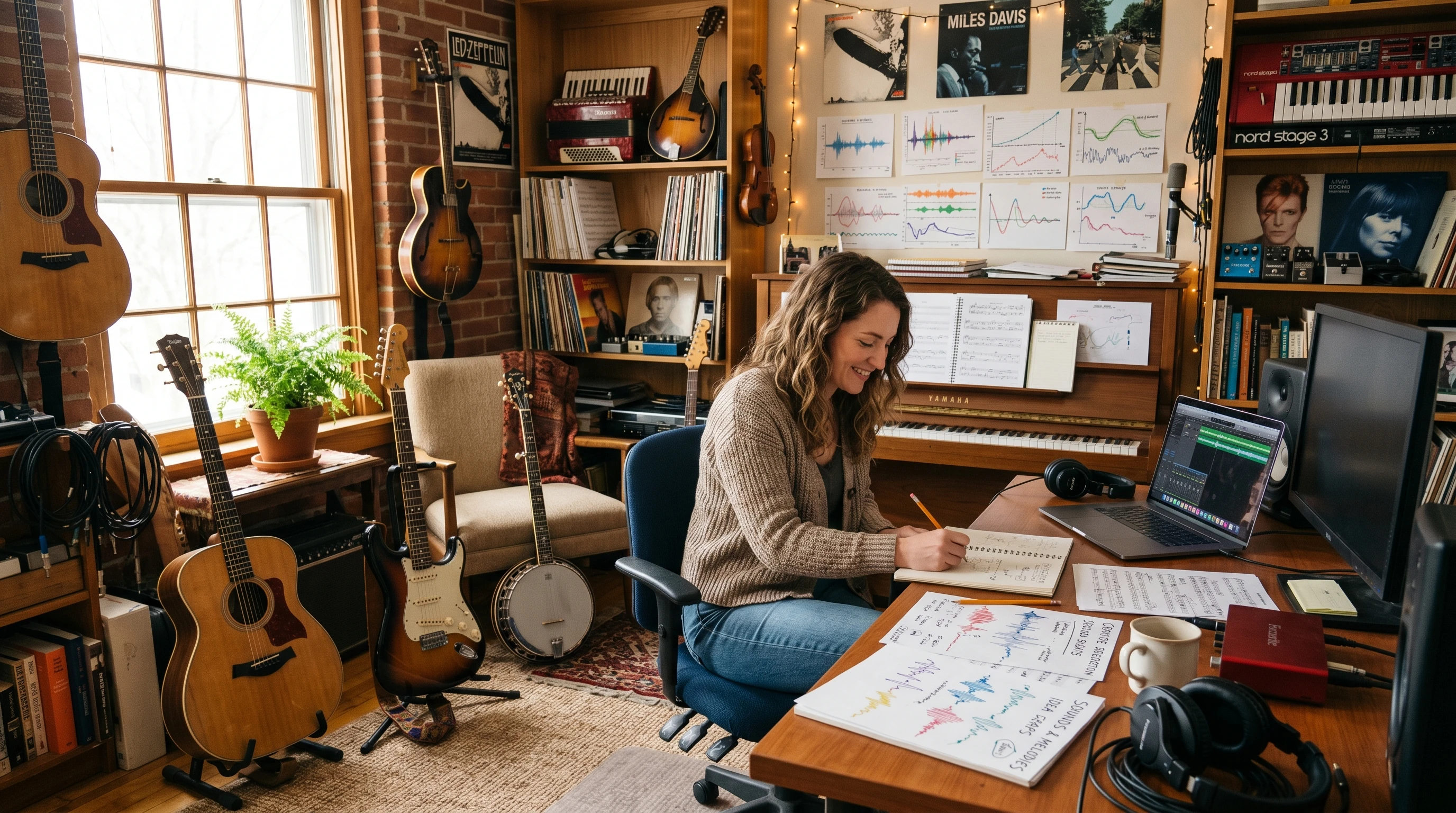
The Heart of Creation: Feeling Over Formula
Making music starts well before learning chords or reading notes. I’ve noticed that my favorite music always comes out of a feeling, sometimes excitement, sadness, or even confusion. Instead of chasing after what’s popular, I try to lean into my emotions and explore sounds that fit what I’m feeling. This goes beyond logic or following charts. Creating is about trusting myself and being willing to take risks.
Working on a new song, I often experiment with sounds that might seem odd or break the usual rules. I’ve found that the process works best when I stop worrying about being perfect and instead let myself mess up once in a while. Some of my most interesting ideas have come from mistakes or trying out a new instrument or tone.
Here are some practical ways I use emotion and creativity in my process:
- Jamming with No Plan: Sometimes I just hit record and play whatever comes to mind, letting feelings guide my choices.
- Switching Instruments: Picking up an unfamiliar instrument can spark new songs or melodies that I wouldn’t have written otherwise.
- Recording Voice Memos: When an idea strikes, even humming into my phone helps catch an emotional spark before it fades.
- Trying New Sounds: I add effects or tweak settings in my software just to see what surprises pop up.
Making music from a place of curiosity has been way more productive for me than trying to fit someone else’s mold. I trust my ear, and I make space for trial and error. That’s how I stumble upon what really matters to me as an artist.
It’s important to mention that while skill is important, enjoyment and playful exploration should always be at the center. Even music legends got their best ideas by simply letting loose and allowing spontaneity into their creative process.
Understanding Music: Listening and Growing
Before I started making my own music, most of what I learned came from listening. Really listening, not just having songs play in the background. I try to approach every new track or unfamiliar genre with an open mind. This part is all about receptiveness, being willing to hear what’s different and take in the details.
The more I expose myself to music from different cultures or from genres I don’t usually listen to, the more ideas I have for my own projects. When I listen, I pay attention to what stands out, whether that’s a cool rhythm, a strange instrument, or the way a melody twists.
Here are the steps I follow to get the most out of listening:
- Choose a Song on Repeat: Playing the same track a few times lets me notice new sounds, textures, or layers each time.
- Focus on One Element: Sometimes I listen only to the drums or the harmony, which helps me understand how individual parts fit together.
- Seek Out New Styles: I make a point to listen to artists from places I’ve never been or genres I know nothing about. This has opened up many creative paths for me.
- Analyze Why Something Works: If a song moves me, I try to pinpoint what makes it effective, the arrangement, lyrics, or the sound of the instruments.
I’ve learned that understanding music means staying open to what’s different. Every new piece of music I study adds to my own style. Over time, listening deeply shapes the way I write, play, or even think about music. This habit helps me break out of ruts and keeps my songwriting fresh.
Don’t underestimate the value of asking yourself what feelings are stirred up when you listen closely. This step helps you step up your appreciation and gives a boost to your creative potential.
Communicating: Music as Message
Music is a language, even when there are no words. I always keep this in mind when I write or perform. Whether I’m using lyrics, melodies, rhythms, or even noisy textures, I try to make sure my music says something. Sometimes that message is obvious, like a protest song with clear lyrics. Other times, it’s more subtle, like an instrumental track that reminds me of a specific memory or place.
Every artist, in my view, brings a unique background and story that shapes their music. Sound can be a signal, a way to represent a group, a region, or a feeling. Certain musical sounds, like the use of steel drums in Caribbean music or distinct beats in hip hop, often say something about where the artist comes from and what they want their audience to feel.
Here’s how I focus on communication in my music:
- Write With Intent: Before I start a song, I ask myself what story or feeling I want to put across, even if it’s only a mood or a vibe.
- Lyrics or No Lyrics: Sometimes words are necessary to tell the message, but I pay just as much attention to the instrumental parts to make sure the feeling comes through.
- Referencing Place or Identity: I sometimes use local sounds, languages, or rhythms as a nod to where I’m from or what matters to me.
- Considering the Audience: Thinking about who might hear my music helps me shape it to be direct, or to leave just enough mystery for listeners to fill in the blanks themselves.
For me, the most lasting music always communicates something, directly or in whispers. If I’m honest and thoughtful about what I want to say, my songs reach people, even if we don’t speak the same language.
It’s helpful to notice how music lets us send messages without words, creating a connection between artist and listener that’s often deeper than any conversation.
Working Through Challenges in Music Fundamentals
Sticking with these fundamentals isn’t always easy. I sometimes get stuck in creative ruts or find it hard to listen to new styles without old opinions getting in the way. It’s easy to feel like what I want to say has already been said by someone else. Here’s how I keep myself going:
- Accepting Imperfection: I try not to get hung up on every mistake or failed experiment. A messy draft can become the most meaningful piece after a few tries.
- Fighting Creative Fear: Trying a sound that feels risky or new is scary, but sticking with familiar patterns doesn’t help me grow. Even if nobody else likes it at first, I remind myself that it’s part of the process.
- Building Trust in My Process: Over time, I’ve built routines, like daily jam sessions or setting limits on gear, that help me get into creativity without second-guessing myself all the time.
- Balancing Message and Audience: Sometimes what I want to say doesn’t land with listeners. When this happens, I try to learn from the feedback but still stay true to my core message.
Making Mistakes Productive
I used to think every song or idea had to work on the first try. Now, I see that what I call mistakes are usually just steps in figuring out my sound or message. Sometimes failing to nail a melody opens the door for a fresher, more honest riff. I record almost everything so I can look back for hidden gems later.
Allowing mistakes into your workflow is such a relief. The freedom it brings to experiment is often what leads to music that really surprises you and your listeners.
Drawing Inspiration from Different Genres and Cultures
When I started listening to music from outside my usual comfort zone, I ran into sounds and ideas that at first felt strange, even offputting. But after spending time with them, I started to pick up cool techniques or patterns I could use. It’s become a way for me to keep things interesting and make my music stand out.
You can find inspiration in places you least expect. World music, folk traditions, and even electronic soundscapes can each teach you something new about expressing feeling through sound.
Developing Authentic Communication
I sometimes worry my message will be misunderstood. To work through that, I play my works in progress for friends or even strangers. Their feedback helps me see whether my ideas are coming across clearly or if I need to rethink how I’m using sounds, lyrics, or arrangements.
Sharing works early on is a key part of making sure your message comes through. Honest feedback can reveal new possibilities or shed light on parts of your song you might not have noticed before.
Core Concepts and Terms to Know
For anyone new to music fundamentals, there are a few terms and ideas that come up often:
- Melody: The main tune of a piece, usually the part you hum or sing along with.
- Harmony: Notes or chords that support and enrich the melody.
- Rhythm: The pattern of beats and timing, what makes you want to tap your foot.
- Texture: How many musical layers are happening at once in a song.
- Timbre (Tone Color): The unique quality of a sound, like how a violin sounds different from a piano.
- Form: The structure or layout of a song, like verse chorus or ABA.
Getting comfortable with these ideas helps me analyze and understand both the music I hear and what I try to make myself.
When you get to know these core concepts, you can start to break down songs you love and find opportunities to step up your own music in fresh ways. Every new idea you track down gives a boost to your toolkit and makes music making more enjoyable.
Frequently Asked Questions
Here are some questions I often hear when talking about music fundamentals:
What should I focus on first when learning music?
Answer: Try starting by just listening deeply to music you like as well as music you don’t usually hear. Don’t worry about being technical at first, focus on noticing what moves you and why.
How do I start writing my own song?
Answer: Start by playing around with sounds or words that feel true to you. You can hum, tap, or record on your phone. It’s not about having the right equipment or theory knowledge right away, it’s about exploring what you want to say or feel.
How can I tell if my music is sending the right message?
Answer: Play your music for others and ask for feedback. Sometimes, hearing what a listener gets from your song can help clarify your message or show you what’s coming through most clearly.
Music Fundamentals for Every Artist
Anyone making or enjoying music works with the basics of creating, understanding, and communicating. Focusing on emotion, welcoming unfamiliar sounds, and thinking about the purpose behind every song helps me keep my music honest and memorable. Whether you’re writing your first song, learning an instrument, or just hitting play on a new album, these fundamentals set the stage for musical growth and connection.