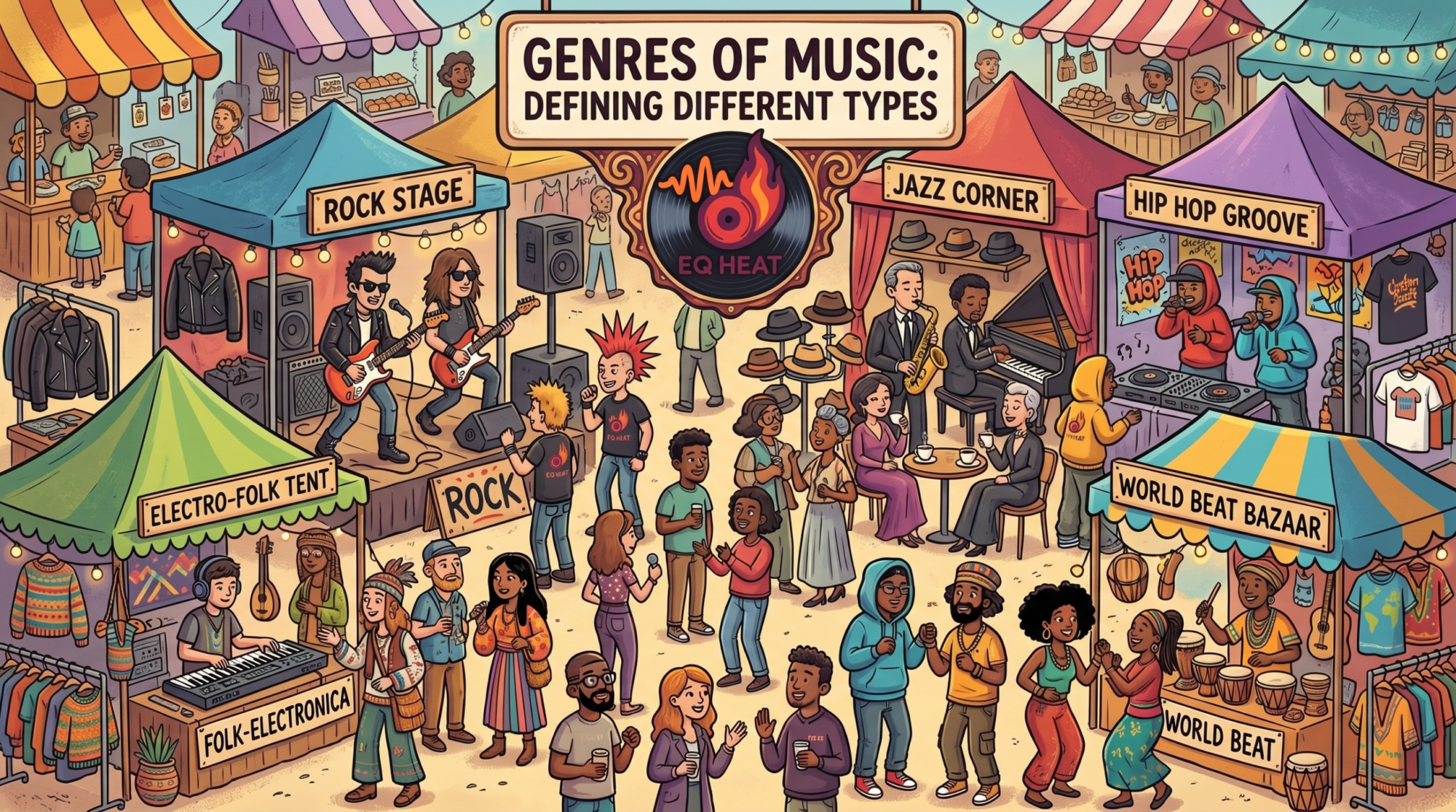
Music can really shape moods, spark memories, and bring people together from all over the world. Whether you’re relaxing at home or headed out for a night on the town, there’s a genre of music out there that fits pretty much any occasion. Genres of music aren’t just labels; they help us organize and understand all the sounds and styles you might come across. Knowing a bit about different genres can definitely help you track down new favorites and appreciate how diverse music can be.
What Are Music Genres and Why Do They Matter?
Genres of music are basically categories that describe a song’s overall style, sound, or cultural roots. You’ll hear people talk about rock, jazz, pop, hip hop, country, and plenty of other genres all the time. These labels give you a quick idea of what to expect from a track or artist. Groups like The Beatles, Kendrick Lamar, or Taylor Swift feel totally different because their music comes from unique genres, each shaped by history, community, and even new technology.
Genres make it easy to find the sort of songs you want to listen to and connect with artists who have a style you vibe with. Streaming platforms like Spotify and Apple Music use genres to organize huge libraries, helping you jump straight to rap, folk, or classical playlists depending on your mood.
A Quick Look at Major Music Genres
Music has so many genres, and even within each category, you’ll find smaller styles and unique twists. Here are the genres I hear about the most, along with a bit about what makes each one stand out:
- Pop: Short for “popular,” this genre is all about catchy melodies, steady beats, and hooks that stick in your head. Think of artists like Ariana Grande, Justin Bieber, or BTS. Songs are usually easy to sing along to and get a lot of radio play.
- Rock: Electric guitars, drums, and strong vocals set the tone here. You’ll find everything from classic bands like The Rolling Stones to newer artists like Foo Fighters. Subgenres include punk, indie rock, and classic rock, each bringing its own energy.
- Hip Hop & Rap: This genre centers on rhythmic vocal delivery (rapping), creative beats, and lots of wordplay. Pioneers like Tupac and newer stars like Cardi B all belong here. Hip hop is known for its influence on fashion, dance, and social movements.
- Jazz: Known for improvisation, swing rhythms, and complex harmonies, jazz can feel smooth or wild, depending on the subgenre. Miles Davis and John Coltrane are names you’ll run into if you check this out. Jazz also branches off into funk, fusion, and bebop.
- Country: Rooted in American folk music, country uses guitars, fiddles, and heartfelt storytelling. Modern stars like Luke Combs and classic singers like Dolly Parton give the genre staying power. Subgenres include outlaw country and bluegrass.
- Classical: Dating back centuries, classical music includes orchestras, pianos, and big compositions. Composers like Mozart and Beethoven wrote pieces played all over the world. Even movie soundtracks, like those by John Williams, draw inspiration from classical music.
- Electronic (EDM): Built on synthesizers, drum machines, and computers, electronic music powers clubs and festivals. Artists like Calvin Harris, Deadmau5, and Tiësto pump out tracks that often go viral. Styles under this umbrella include house, techno, and trance.
- R&B (Rhythm & Blues): Blending soulful vocals, groovy beats, and personal lyrics, R&B has evolved with artists like Beyoncé, Usher, and H.E.R. It often overlaps with pop and hip hop these days.
Where Did These Genres Come From?
Music genres don’t just appear out of nowhere. Most grow out of certain regions, time periods, or communities. Jazz grew up in New Orleans, shaped by African American musicians mixing blues and ragtime. Hip hop started in New York City’s Bronx in the 1970s, using turntables and rhymes to create a brand new style.
Technology and migration have also changed how genres form. For example, electronic music wouldn’t have existed without computers and synthesizers, while reggae came from Jamaica and spread thanks to radio play. Country music roots go deep into American folk and gospel music, telling stories about real life and struggles. Each genre has its own flavor, shaped by people’s experiences and what was happening in the world in that era.
Getting Into a New Genre: A Beginner’s Guide
Trying out a new music genre might feel weird at first, especially if it’s way different from what you usually listen to. Here are some tips that make exploring new genres smoother and more fun:
- Pick a Playlist: Streaming apps have plenty of beginner playlists for every genre. They shine a light on popular tracks and big names so you get a feel for the basics.
- Ask Friends for Recs: Friends often have solid suggestions for artists or albums that could become instant favorites. Word of mouth is pretty handy for stumbling upon lesser-known songs.
- Watch Live Performances: Whether it’s a concert on YouTube or a music festival stream, live shows let you see how genres look and sound in a real-world setting.
- Check Out Documentaries: Movies about music history (like “Hip Hop Evolution” or “Country Music by Ken Burns”) can give you a behind-the-scenes look at how genres start and grow.
- Follow Social Media Pages: Many radio stations, podcasts, or genre-themed accounts offer song breakdowns and new release alerts, making it easy to keep up with what’s fresh.
Things to Keep in Mind About Genres and Taste
People often get attached to their favorite genres, but it’s good to remember that genres aren’t walls. Musicians mix things up all the time, and loads of songs blend two or more genres together. Trends like country rap (“Old Town Road” by Lil Nas X) or pop punk have taken over charts because fans are open to hearing new combinations.
Staying open-minded is super important if you want to make the most out of your music adventure. You might find yourself loving a classical symphony after years of only listening to trap beats, or maybe you’ll start enjoying EDM remixes of your favorite rock songs.
- Genres Change: New artists bring their own twist to old genres, keeping things interesting and making room for fresh subgenres all the time.
- Personal Taste Shifts: What you enjoy today can totally switch up in a few months or years. Exploring helps you find awesome hidden tracks you weren’t expecting.
- No Right or Wrong Way: Listening to music is all about what feels good to you. There’s no “perfect” genre, just the sounds that match your mood or the vibe you’re seeking.
Music and Social Identity
Genres can also connect people or identify communities. Punk and hip hop fans, for example, sometimes dress a certain way or follow unique trends. It’s not just about sound; it’s about belonging and finding your crowd. Online groups and festivals centered on a genre give fans a space to share playlists, opinions, and cool songs in real time.
Some Unique Genres Worth Checking Out
If you want to branch out, here are a few genres that are less common but totally worth a listen:
- Reggae: Coming from Jamaica, reggae uses steady drumbeats and relaxed rhythms. Artists like Bob Marley helped make reggae a worldwide favorite.
- K-Pop: Kpop, which comes from South Korea, mixes pop, hip hop, electronic, and even rock. Groups like BTS and BLACKPINK have huge fan bases across the globe.
- Metal: Heavy metal cranks up the guitars, drums, and vocals for intense, high-energy music. Bands like Metallica and Iron Maiden are pretty famous in this world. Subgenres include death metal, thrash, and symphonic metal.
- Folk: Folk music uses acoustic instruments and simple melodies. Lyrics often tell stories or share traditions. Artists like Bob Dylan made folk huge in the ’60s, and you’ll hear folk influences in modern indie music.
- Latin: Latin music covers a wide range of danceable genres like salsa, reggaeton, and bachata, coming from Latin America and Spain. Artists like Shakira and Bad Bunny blast these sounds worldwide.
Frequently Asked Questions About Music Genres
These are some of the questions I’ve heard from people curious about music genres and what they mean:
Question: Can a song belong to more than one genre?
Answer: Totally. Songs these days often mix hip hop with pop, rock with electronic, or other combos. It’s really common for artists to try out fresh styles by blending different sounds together.
Question: Are genres still important now that music is so easy to stream?
Answer: Genres still help people explore and organize music, even if boundaries are more flexible. Playlists, recommendations, and radio stations often use genres as a starting point, so they’re still pretty useful.
Question: How do I find my favorite genre?
Answer: Try out a bunch of playlists, watch music videos, and keep exploring. Sometimes your new favorite genre pops up where you least expect it!
Wrapping Up
Getting to know different genres of music makes listening a lot more interesting and helps you connect with music lovers everywhere. Whether you stick with what you know or branch out into new sounds, there’s always something out there to match your mood. Keep an open mind, and you’ll always find new songs and artists worth your time. And with so many platforms making it easier to sample fresh music, your next eye-catching favorite might be just a click away!
I’ve always found it interesting how people tend to stick to one or two genres, but once you start exploring others, you realize how much overlap there actually is between them. For me, I used to listen mostly to hip-hop, but over time I started appreciating genres like jazz and lo-fi because of the mood and creativity behind them. It definitely changed how I experience music overall.
Do you think exploring different genres helps people develop a better understanding of music as a whole, or does it just come down to personal taste in the end?
This is a really engaging and approachable overview of music genres and why they matter. I like how it balances basic explanations with practical tips for exploring new styles, it makes the topic feel accessible rather than overwhelming. The point about genres being guides rather than strict boundaries is especially important today, where so many artists blend influences creatively. Referencing artists like The Beatles, Kendrick Lamar, and Taylor Swift helps illustrate how distinct genres shape sound and identity. I also appreciate the emphasis on keeping an open mind, since personal taste evolves over time. One suggestion would be to include a bit more about how cultural context influences listener preferences. Overall, it’s an informative and inviting piece that encourages curiosity and a deeper appreciation for music’s diversity.